When Jordan opened his banking app before sunrise, the balance was lower than expected again. A subscription had posted overnight, a utility payment was pending, and the account had collected another overdraft fee while he was asleep. Jordan had spent the previous month trying to catch up, but each new charge made the next deposit disappear faster. Instead of treating the latest fee as an isolated surprise, he pulled up the transaction history, listed every recurring payment, and prepared to ask the bank a focused question. This pattern shows why recurring overdraft fees require both a careful account review and a prevention plan.

Recurring overdraft fees can feel like a penalty for falling behind, but the pattern usually has a sequence that can be reconstructed. A subscription, automatic bill payment, check, debit-card transaction, delayed deposit, pending authorization, transfer, or earlier fee may have changed the balance before the next item posted. The account may have been positive when one transaction was authorized and negative when it settled. Your first job is to identify the sequence rather than assume that every charge has the same explanation.
Your second job is to separate the fee already charged from the choices that may prevent another one. A bank may have discretion to waive a fee, but a courtesy adjustment does not correct a payment schedule that repeatedly reaches the account before income does. The most useful response to recurring overdraft fees is a documented review, a specific bank conversation, and a realistic cash-flow change that fits how your account actually works.
Why trust this guide: Federal consumer guidance from the Consumer Financial Protection Bureau, the Federal Deposit Insurance Corporation, and the Office of the Comptroller of the Currency informs this guide. Our team draws on over 45 years of CPA experience helping households evaluate financial decisions with clarity and caution. This guide explains how to trace recurring overdraft fees, ask useful questions, document the bank’s response, and change the payment pattern without assuming a refund or a particular legal outcome. It keeps recurring overdraft fees tied to the account facts. It is general education, not individualized financial advice; account terms, transaction timing, fees, deadlines, consumer protections, and applicable law vary.
Table of Contents
Direct Answer: How Can You Stop Recurring Overdraft Fees?
To stop recurring overdraft fees, reconstruct the account timeline, identify which payments keep creating the negative balance, review your overdraft and account settings, and contact the bank with a specific request. Ask the bank to explain the transaction type, available balance, posting or settlement timing, and any fee that appears duplicated or unexpected. Then move recurring payments to a workable date, build a small buffer when possible, use alerts, consider a linked-account or lower-cost alternative if available, and verify that future transactions are handled as you expect. A fee waiver may help once, but it will not by itself stop recurring overdraft fees caused by the same cash-flow pattern.
The CFPB explains that a bank generally cannot charge an overdraft fee for a one-time debit-card transaction or ATM withdrawal unless the consumer opted in, while checks and recurring electronic payments may be treated differently. The FDIC also distinguishes overdraft coverage from NSF fees and explains that automatic transfers from linked savings may cost less than an overdraft fee when the bank offers that option. The OCC has identified certain practices, including some authorized-positive-settle-negative and representment-fee situations, as areas that may create consumer-protection risk. These distinctions help you ask a precise question about recurring overdraft fees rather than making a broad claim about every charge.
Step 1: Reconstruct the Timeline Behind the Fees
Begin with the most recent fee and work backward. Record the fee amount, the date it posted, the transaction description, the balance shown before the item, and the balance after it. Then list the previous seven to fourteen days of deposits, transfers, purchases, checks, ACH payments, pending authorizations, and other fees. Your online banking screen may show a current available balance without revealing every event that affected the balance earlier in the day. A written timeline makes recurring overdraft fees easier to discuss with the bank. It also gives you a clear record of recurring overdraft fees.
Separate four dates whenever the record provides them: when you authorized a payment, when the bank placed a pending hold, when the item posted or settled, and when an incoming deposit became available. A recurring payment may be scheduled for one day but settle on another. A deposit may appear in the ledger while some funds remain unavailable. Do not guess which date controlled the fee; ask the bank to identify the balance and posting event it used. This is the kind of factual detail that can distinguish recurring overdraft fees from a simple arithmetic mistake.

Look for a repeating trigger. Perhaps a streaming service, insurance premium, loan payment, or utility bill arrives two days before payday. Perhaps a check is written from the account after the balance has already been reduced by a pending card authorization. Perhaps a monthly subscription was forgotten and continues to post after the account is nearly empty. Mark each repeating item with its normal date, expected amount, and the date your income usually arrives.
Keep private copies of the records you use. Screenshots can help you remember what you saw, but redact your full account number before sharing anything outside the bank’s secure channel. A simple table with columns for date, item, amount, available balance, ledger balance, and fee can reveal the pattern. Once you can explain the sequence in a few sentences, you are ready to review the account terms and settings behind recurring overdraft fees.
Step 2: Identify the Payment Types and Account Settings
Next, classify every item that contributed to the pattern. A one-time debit-card purchase, an ATM withdrawal, a paper check, a recurring electronic payment, an ACH debit, and an automatic transfer may be governed by different account terms. The CFPB says that one-time debit-card and ATM overdraft fees require opt-in, while checks and recurring electronic payments may still produce overdraft or NSF-related charges without that same opt-in. The classification determines which question you should ask and which change may prevent recurring overdraft fees.
Read the current account agreement and fee schedule, not only the short description in the mobile app. Look for the definitions of overdraft, NSF, returned item, continuous or daily fee, transfer fee, available balance, and overdraft protection. Save the version or date of the agreement you reviewed. If the bank has changed its terms, ask which version governed the transaction. A fee schedule will not guarantee a reversal, but it can help you distinguish a stated fee from a charge that needs explanation.
Check whether you opted into debit-card or ATM overdraft coverage. If you do not recognize an authorization, say that accurately and ask the bank what record shows the election. If you did opt in, ask what happens when the bank pays a transaction that overdraws the account. If you opted out, ask how the bank handles checks and recurring electronic payments, because turning off one kind of protection does not necessarily eliminate every fee related to a negative balance.
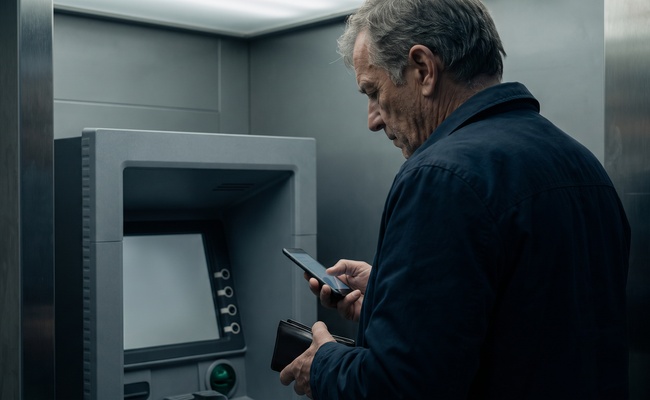
Ask whether the bank offers linked checking and savings transfers, an overdraft line of credit, a deposit account that does not permit overdrafts, grace periods, low-balance alerts, or other lower-cost alternatives. The FDIC notes that a linked savings transfer may carry a fee but can be less expensive than an overdraft charge when enough savings is available. The OCC encourages banks to explore lower-cost alternatives such as linked accounts and overdraft lines of credit. These are options to evaluate, not instructions to move money you need for another essential bill.
Review the account’s alert settings while you are already there. Use a low-balance alert, an alert for large withdrawals, and an alert for deposits or payments when the bank makes those options available. Alerts are not a substitute for reviewing the account, but they can shorten the time between a payment posting and your discovery of the problem. The goal is to catch the pattern before recurring overdraft fees accumulate again. That review also helps you discuss recurring overdraft fees clearly. It gives the bank a concise explanation of recurring overdraft fees.
Step 3: Find the Cash-Flow Mismatch and Choose a Repair
Now compare the dates of recurring payments with the dates and amounts of income. Create a one-month cash-flow map that starts with the account balance immediately after each deposit and subtracts essential payments in the order they usually arrive. Include fees, transfers, and a conservative estimate for variable spending. If your account drops below zero before the next deposit, identify the earliest item that creates the shortfall. That item may not be the largest bill; timing is often more important than size when recurring overdraft fees are involved.
Choose the smallest repair that addresses the actual mismatch. You might move a subscription to a later date, divide a bill into a different payment arrangement, use a separate account for automatic payments, or ask a creditor whether the due date can change. A date change is not guaranteed, and some merchants require a request before the next billing cycle. Contact the merchant and the bank through verified channels, and keep confirmation of any change. Do not cancel a payment that protects housing, utilities, insurance, or another essential need without understanding the consequence.

If the problem is a deposit that arrives later than expected, ask the employer or payer about the usual availability date and ask the bank how deposited funds become available. The bank’s available balance can differ from the amount you expect based on holds or pending activity. Do not spend funds merely because a deposit appears in one part of the account display. Confirm the amount you can safely use and leave room for transactions that have already been authorized.
Build a buffer only if doing so will not cause another essential payment to fail. Even a small amount can protect the account from a minor timing difference, but the amount should come from a realistic budget rather than an instruction to save money you do not have. If you cannot create a buffer now, prioritize alerts, payment-date changes, and communication. The purpose is to create a repeatable system that works on an ordinary month, not an optimistic month. A repeatable system is the best defense against recurring overdraft fees.
Step 4: Ask the Bank to Review the Pattern
Prepare a short explanation before you call. State the dates, the repeating payment, the fee amounts, and the result you want. For example: “My account has received recurring overdraft fees after this automatic payment posts before my deposit becomes available. I reviewed the timeline and would like you to explain the posting sequence, confirm the fee type, and tell me whether any adjustment or lower-cost account option is available.” A specific request lets the representative address the pattern instead of guessing why you are calling. It puts recurring overdraft fees at the center of the review.
Ask four direct questions: What transaction created each fee? Which balance did the bank use? Was the item an overdraft, NSF, returned-item, transfer, or daily fee? What setting or alternative could prevent the same item from producing another charge? Write down the answers and the representative’s name or identification number. If the representative uses a term you do not understand, ask for the definition in the account agreement or fee schedule.

If you are requesting a courtesy adjustment, say so without presenting it as an entitlement. You can ask whether the bank will reverse one or more fees because the situation is unusual, the account is normally managed positively, a duplicate appears, or the posting sequence needs review. A bank may approve, deny, or partially approve that request. Keep the courtesy request separate from a possible unauthorized-charge or account-terms concern, because those may require a formal complaint or dispute route. That distinction matters when recurring overdraft fees have a different cause.
Use secure messaging or a branch channel when you need a written answer, but never send sensitive account information through an unverified address. If the issue involves an unauthorized debit-card overdraft fee, tell the bank that you do not believe you authorized the coverage and ask how to submit the matter for formal review. The CFPB explains that a consumer who does not believe they authorized debit overdraft protection and was charged a debit overdraft fee may file a complaint. Keep the complaint path separate from a routine request for a courtesy waiver.
Step 5: Document the Result and Escalate Carefully
Immediately after the conversation, create a call record. Include the date and time, channel, representative, account ending digits only, fees discussed, explanation given, requested remedy, promised action, case number, and expected follow-up date. Save the secure message or letter with the timeline you used. Documentation is especially important when recurring overdraft fees involve more than one representative or more than one transaction type.
Check whether the promised credit actually posts. A bank may describe a reversal as a fee credit, adjustment, refund, or another account entry. Do not close the record when someone says the change was submitted; compare the account history with the promised amount and date. If the amount is wrong or absent, follow up with the case number. Ask whether another fee posted while the first request was pending and whether the bank can review the entire sequence.
If the bank denies a courtesy request, that decision alone does not prove that the fee was unlawful. Ask whether the bank has an internal complaint, supervisor, or account-resolution process. If the bank cannot explain an apparent duplicate, a fee inconsistent with the agreement, or a debit-card overdraft charge you did not authorize, preserve the records and use the appropriate complaint or dispute channel. A complaint requests review; it does not guarantee that recurring overdraft fees will be refunded.

When the institution is a national bank or federal savings association, the OCC may be an appropriate source for consumer complaint information. The CFPB also accepts complaints about consumer financial products and services. Use the agency’s current instructions and provide a factual timeline. Avoid sending a long emotional narrative without the dates, amounts, transaction types, and response you received. Clear records make it easier for a reviewer to understand what you are asking about recurring overdraft fees.
Do not let escalation delay the immediate prevention steps. If an automatic payment is likely to create another negative balance, contact the merchant and bank before the next draft when possible. If the account is already negative, ask the bank what amount will bring it positive after pending items and fees. A complaint can address a disputed charge, but it does not necessarily pause a payment or stop the balance from changing.
Step 6: Verify the New System Before the Next Cycle
After you change a payment date, account setting, alert, or linked-account arrangement, verify the change in the bank’s records. Check that the merchant shows the new date, the bank shows the new setting, and any transfer option has a clearly stated fee and limit. Make a note of the next expected draft and the next expected deposit. A change that exists only in a phone conversation is harder to verify than a secure message or account-screen confirmation. The goal is to stop recurring overdraft fees before they become the normal monthly pattern.
Review the account at three points: before the next scheduled payment, after the payment posts, and after the next deposit becomes available. Compare the result with your timeline. Look for a pending authorization that could still reduce the available balance, a fee that posted separately, or a merchant that used the old date. This review is not meant to create anxiety; it is a short test of whether the new arrangement actually prevents recurring overdraft fees. It also confirms whether recurring overdraft fees are tied to the old payment date.

Keep alerts active and set a personal review day each week. On that day, scan pending items, recurring payments, recent deposits, and the available balance. Revisit the system when income changes, a subscription renews, a bill amount varies, or the bank changes an account term. A payment plan that worked during one season may become a source of recurring overdraft fees after a schedule or income change. Recheck it whenever recurring overdraft fees return.
Finally, decide what you will do if the account approaches zero. You might pause a nonessential subscription, move a scheduled date, transfer money from an available linked account, contact the merchant, or call the bank before the item posts. Write the sequence somewhere private and safe. A prepared response is more useful than waiting until recurring overdraft fees have already consumed the next deposit. That check can stop recurring overdraft fees. It gives you a way to respond when recurring overdraft fees first appear. A weekly review can prevent recurring overdraft fees.
What to Do Next
Today, gather the last month of statements, pending transactions, deposit dates, recurring-payment details, fee descriptions, and the current fee schedule. Mark the first item that pushed the account below zero and the items that repeated afterward. Decide whether your concern is a timing mismatch, a setting you did not understand, a possible duplicate or unexpected fee, or a broader shortage that needs a cash-flow plan.
Then contact the bank through a verified channel and ask for the transaction type, balance used, posting sequence, and available prevention options. Request a courtesy adjustment if appropriate, but do not rely on that request as the entire solution. Change the payment or alert arrangement only after you understand what will happen to declined, returned, or transferred payments. Record the response and verify any credit or setting change.
The most durable way to stop recurring overdraft fees is to make the next payment predictable. Predictability reduces the chance of recurring overdraft fees. Give automatic drafts a date and account balance that fit your actual income, keep alerts active, and review the account before and after the next cycle. If the bank cannot resolve a possible unauthorized or inconsistent charge, preserve your records and use the appropriate complaint route while continuing to protect the account from another avoidable shortfall.
Frequently Asked Questions
Why do overdraft fees keep happening even after I pay the balance?
Paying the negative balance may resolve the amount already due, but it does not necessarily change the next scheduled payment, pending authorization, account setting, or deposit timing. Review the transaction sequence and ask the bank which item created each fee. A prevention change must address the repeating trigger rather than only the current balance. Otherwise, recurring overdraft fees may return.
Can a bank charge overdraft fees for recurring electronic payments?
The CFPB explains that banks may charge overdraft fees for checks and recurring electronic payments even when a consumer did not opt in to debit-card and ATM overdraft protection. The transaction category and account terms matter when you are tracing recurring overdraft fees. Ask the bank whether the item was an ACH payment, check, debit-card transaction, ATM withdrawal, NSF item, or another type of charge.
Does turning off overdraft protection stop every fee?
No. Turning off debit-card and ATM overdraft protection may prevent a particular kind of overdraft fee, but checks and recurring electronic payments may be handled differently. A declined payment may also create a returned-item fee from a merchant, and an NSF fee may apply. Ask the bank what will happen to each transaction category before changing the setting.
Should I ask the bank to refund every recurring overdraft fee?
You can ask the bank to review the fees and request a courtesy adjustment, especially when you can explain the timeline, a possible duplicate, an unusual event, or a concern about the account terms. A bank may approve, deny, or partially approve the request. Keep the refund request separate from the plan to prevent the next fee.

What is the difference between an overdraft fee and an NSF fee?
An overdraft fee generally relates to the bank paying a transaction even though the account lacks sufficient funds. An NSF fee may apply when a check or other payment is returned for insufficient funds. The exact labels and amounts vary by institution. Ask the bank to identify the fee and explain what happened to the underlying payment.
Can linking savings stop recurring overdraft fees?
A linked savings transfer may cover a checking shortfall when the bank offers the service and enough money is available. The bank may charge a transfer fee, which the FDIC notes can be less than an overdraft charge in some cases. Compare the fee, transfer limit, timing, and risk to your savings needs before choosing the option.
What should I do if an incoming deposit arrives after the fee?
Record when the deposit was initiated, when it appeared in the ledger, when it became available, and when the fee posted. Ask the bank what balance and availability rule controlled the transaction. A later deposit may not automatically reverse a fee, but the timeline can help the bank explain the result and may reveal a change needed for future payments.
When should I file a complaint about recurring overdraft fees?
First ask the bank to explain and review the charge through a verified channel, unless you need to report an urgent unauthorized transaction. Consider a formal complaint when the bank cannot resolve a possible unauthorized debit-card overdraft charge, an unexplained duplicate or representment charge, or a fee that appears inconsistent with the account terms. A complaint seeks review and does not guarantee a refund.
Here Are More Articles That Might Interest You
If a recurring charge is part of the problem, read How to Stop a Recurring Credit-Card Charge.
If a missed payment is making cash flow tighter, read What to Do After a Missed Personal-Loan Payment.
If you are deciding which bills need attention first, read How to Decide Which Debts to Pay First.
If you need a more complete monthly plan, read How to Build a Realistic Debt-Repayment Budget.
If a bank account has been closed after overdraft problems, read What Happens When a Bank Closes Your Overdrawn Account?.
If you need to address a banking-report problem later, read How to Clean Your ChexSystems Report.
Read What to Do After Receiving a Foreclosure Notice.
Read Short Sale vs Deed in Lieu of Foreclosure.
Read FHA Partial Claim: What Homeowners Should Know.
Join Our Newsletter
From time to time, we’ll send you information and resources that we believe may be helpful to you.
Subscribe to The Debt Survival Guide Newsletter
Disclaimer: The Debt Survival Guide provides educational content only. We are not attorneys, tax professionals, or financial advisors. This information should not be considered legal, tax, housing, credit, or individualized financial advice. Circumstances, agreements, deadlines, laws, and available options vary by person, account, location, and situation. Please review your records and written terms and consult a qualified attorney, legal-aid organization, HUD-approved housing counselor, tax professional, credit counselor, or financial professional before making decisions about your specific situation.