Elena didn’t think one overdrawn weekend would spiral. A delayed paycheck, two automatic bill pays, and a grocery swipe pushed her balance below zero. Days later she opened a thick envelope: her bank account closed due to overdraft, effective immediately. Her rent deposit was due in three days, and her employer’s direct deposit was already en route to the now-closed account. Panic set in as she wondered if the money would vanish, whether the bank could keep charging fees, and how to pay her utilities without a checking account.

If you just learned your bank account closed due to overdraft, start by taking a breath. You are not the first person to face this, and you have options. The steps below focus on practical recovery: confirming what the bank actually closed, what you still owe, which payments are at risk, and how to route your income safely while you negotiate a resolution.
This article sticks to immediate triage when a bank account closed due to overdraft disrupts your finances. It is not about cleaning your ChexSystems report or disputing how the bank reported the closure. That clean-up is covered separately in Article 150. Here, we help you protect deposits, understand fees, talk to the institution, and set up a replacement account so your life keeps moving even if a bank account closed due to overdraft seems like a dead end.
Why trust this guide: Federal consumer guidance from the Consumer Financial Protection Bureau , the Federal Deposit Insurance Corporation , and the Office of the Comptroller of the Currency informs this guide. Our team draws on over 45 years of CPA experience helping households evaluate financial decisions with clarity and caution. It covers response, balance, payment, deposit, and replacement-banking steps without promising a refund or outcome. It keeps closure tied to facts. It is general education, not individualized financial advice; account terms, transaction timing, fees, deadlines, consumer protections, and applicable law vary. This article focuses on what to do after a bank account closed due to overdraft, rather than on a consumer-report dispute.
Table of Contents
Direct Answer: What Should You Do When a Bank Closes Your Overdrawn Account?
Act fast, but don’t guess. When a bank account closed due to overdraft interrupts your cash flow, confirm the exact closure status, freeze further activity, and capture a snapshot of the final balance and pending items. Then immediately protect your income by redirecting direct deposit and updating essential billers. Contact the bank to ask for a fee review or payment plan, and escalate a complaint through the proper regulator if needed.
The Consumer Financial Protection Bureau explains that overdrafts happen when the bank pays a transaction without enough funds and you owe the shortfall plus fees, while certain debit and ATM overdraft coverage requires explicit opt-in. The FDIC notes that continuous or daily overdraft fees can accrue while an account is negative and that nonsufficient funds (NSF) fees are different. These facts matter when a bank account closed due to overdraft because the bank affect how much you owe and what was authorized.
In short, when a bank account closed due to overdraft throws your finances off course: verify, protect, negotiate, and replace. The six steps below walk you through those actions with practical scripts and timelines so you can restore stability and reduce the costs of the closure.
Step 1: Confirm the closure status and freeze further activity
First, read the bank’s message carefully. Is the account fully closed, or is it “restricted,” “suspended,” or “in collections” but still visible online? A bank account closed due to overdraft may still appear in your digital banking with limited functions. Your bank’s letter or secure message often states the close date, the balance, and whether additional items may still post or be returned.
Next, stop the bleeding. Turn off card controls, bill-pay, and any linked merchant debits you can control. If possible, remove the card from digital wallets. The CFPB’s guidance on overdraft options clarifies that debit-card and ATM overdraft coverage requires opt-in, while checks and certain recurring electronic payments are handled differently. Knowing these categories helps you understand what may still slip through when your bank account closed due to overdraft.

Collect evidence now. Download recent statements, transaction history, and any fee schedules or account terms. Save copies of closure notices, chat transcripts, and emails. If you’re unsure how the bank calculated the negative amount, take screenshots of ledger and available balances on the last days before the bank account closed due to overdraft so you can reconcile later.
Finally, review alerts and recent deposits. Posting order and deposit availability can differ by bank. The CFPB notes that understanding deposit availability and setting alerts can reduce surprises; both are relevant if items are still pending or on hold. If a bank account closed due to overdraft coincides with a delayed deposit, verify whether the funds will reject back to the sender or be applied to your negative balance.
Step 2: Verify the final balance, fees, and pending payments
Ask the bank for a written payoff figure. The FDIC explains that some institutions assess daily or continuous overdraft fees while an account remains overdrawn. If your bank account closed due to overdraft, clarify whether those fees stop on the closure date, continue until charge-off, or were reversed. Also ask whether any NSF fees applied to returned items, which are separate from overdraft fees.
Reconcile pending transactions. Does the bank still plan to honor any checks or preauthorized debits? For ACH and checks, the FDIC notes they can be declined or returned. When a bank account closed due to overdraft, some items may be returned unpaid, and merchants could re-present them. Document each item’s expected path so you’re not paying the same bill twice after a return.
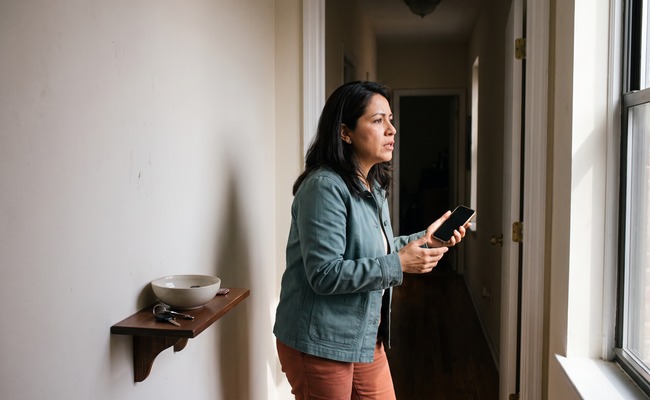
Compare the bank’s figure to your own ledger. Look line-by-line at what posted, what was pending, what was reversed, and what fees hit before and after your bank account closed due to overdraft. If the math doesn’t add up, request a transaction-level explanation and the fee schedule in effect on those dates. This is where your downloaded statements and screenshots help.
If you’ve been dealing with a long-running negative, read our guide to managing a negative bank account balance. It explains timing gaps, holds, and how different payment types interact. That context can illuminate what happened just before your bank account closed due to overdraft and where you might spot errors or opportunities to negotiate fees.
Step 3: Protect your income and essential payments immediately
Divert incoming direct deposits. Contact your employer, benefits administrator, or unemployment office right away with new routing and account numbers. If your bank account closed due to overdraft after payroll was submitted, ask payroll when and how rejected deposits are handled. Many send the funds back to the employer, then cut a paper check or reissue to your new account on the next run.
Update critical billers you want to continue paying—rent, utilities, phone, insurance. If a bank account closed due to overdraft caused auto-debits to fail, log into each provider and add a new payment method. Consider temporary payment pauses or extensions if timing is tight. For merchants you do not wish to pay from a new account, ask about a self-service cancellation or issue a stop-payment where possible.
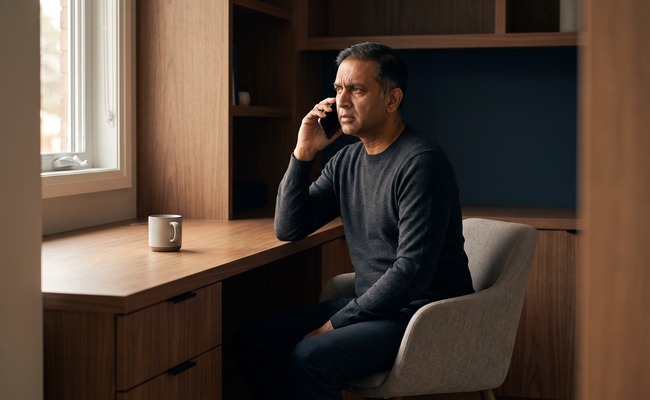
Safeguard benefits and cash deposits. If you expect Social Security, VA benefits, or child support, contact the paying agency to prevent misdirected funds. When a bank account closed due to overdraft, you want any returned benefits to go back to the agency—not to disappear into an in-between status. Also avoid cash deposits at the closed bank’s ATM; they may be rejected or applied to the negative.
Be mindful of internal “setoff.” Some banks reserve the right to transfer money from one of your accounts to cover another’s debt. If your bank account closed due to overdraft and you still have a savings account at the same institution, consider moving those funds elsewhere while you sort things out. Review your account terms or ask a representative how setoff works at that institution before you move money.
Step 4: Call the bank to request fee relief and a repayment plan
Contact the bank promptly. The Office of the Comptroller of the Currency advises consumers to contact the bank right away when problems arise. Tell them your bank account closed due to overdraft and that you’re seeking a clear payoff figure, a pause on further fees, and a reasonable way to settle. If you were not opted into debit/ATM overdraft coverage, ask how card transactions were approved.
Be specific in your requests. If delays or posting order quirks made the deficit worse, politely ask for a review. Our guide on how to ask for a refund of an overdraft fee includes language you can adapt. If your bank account closed due to overdraft after multiple fee days, also review our explainer on recurring overdraft fees so you know what can be waived and what usually cannot.

Explore options to settle. Ask whether the bank will accept a lump sum for less than the full amount, enroll you in a no-interest payment plan, or re-open the account upon full payoff. Some institutions refer closed accounts to internal or third-party collections after a set number of days. If your bank account closed due to overdraft recently, the window to resolve it in-house may still be open.
Get everything in writing. If a representative agrees to reverse certain fees or mark the account “paid in full” for a specific payment, request a written confirmation. When a bank account closed due to overdraft, clarity saves headaches later—especially if your account is transferred to a different department or agency. Keep copies of all letters, emails, and payment receipts.
Step 5: Escalate your complaint through the right channel
If you cannot resolve it directly, escalate correctly. The OCC handles complaints for national banks and federal savings associations, while state regulators or other federal agencies handle state-chartered banks and credit unions. When your bank account closed due to overdraft, the right path depends on your institution’s charter; you can ask the bank which regulator oversees them.
The CFPB’s complaint portal lets you submit a detailed record of what happened, including documents and dates. The Bureau may route your complaint to a different agency if appropriate. Use it when a bank account closed due to overdraft and the institution won’t explain the balance, keeps charging fees contrary to its disclosures, or ignores a reasonable request for a payment plan.

File a precise, factual complaint. Include the timeline, amounts, copies of disclosures, and what resolution you seek. Do not assume a regulator will force a refund. Rather, the goal is a documented review and a response from the bank. If your bank account closed due to overdraft and you believe policies were misapplied, ask the regulator to ensure the bank explains or corrects the error.
Keep expectations realistic. A regulator’s involvement does not guarantee a particular outcome. Still, many consumers get clearer answers or fee adjustments once a complaint is logged. If your bank account closed due to overdraft and you feel stuck, a well-documented complaint can move your case to someone with authority to act. You can start a complaint at the CFPB’s site: Submit a complaint.
Step 6: Open replacement banking and rebuild stability
Start a new checking option right away. If your bank account closed due to overdraft, you still need a safe place to receive income and pay bills. Consider a credit union, a “second-chance” account, or a reputable prepaid debit card with direct-deposit capability. Ask about account screening policies and monthly fees so you’re not surprised at sign-up.
Move autopays methodically. Make a list of every merchant that charged your old account in the last 90 days. When a bank account closed due to overdraft, missed autopays can cascade into late fees. For loans tied to autopay discounts, change the banking details before the due date. If you’ve missed a personal loan payment because of the closure, contact the lender to prevent compounding late charges.
Separate emergency cash from bill money. Use one account for essential bills and a second, low-fee account or wallet for daily spending. If a bank account closed due to overdraft taught you how quickly one hiccup derails everything, this separation can create guardrails. Set low-balance alerts and turn on decline-all overdrafts if available.

Make a prevention plan. The CFPB suggests options such as opting out of overdraft coverage for debit/ATM, linking a savings account, or inquiring about an overdraft line of credit. If a bank account closed due to overdraft was fueled by timing mismatches, set up alerts and confirm your bank’s deposit availability policy. Small fixes can prevent a repeat of this stress.
For official context, review the CFPB overdraft-options guidance, the FDIC account-fee guidance, and the OCC checking-account guidance.
What to Do Next
Within the next 24–48 hours, focus on stability. If your bank account closed due to overdraft and paychecks are in flight, call payroll and each essential biller immediately. Open replacement banking the same day and set alerts so your new account stays on track. Keep your documentation organized; if you negotiate or complain, facts win.
Use this quick checklist:
- Download statements, fee schedules, and closure notices.
- Get a written payoff figure and ask about fee reversals.
- Redirect payroll and benefits to a new account.
- Update essential billers you want to keep paying.
- Call the bank for a plan; confirm any agreement in writing.
- Escalate via the proper regulator if stonewalled.
- Set up alerts and consider opting out of debit/ATM overdraft on the new account.
When a bank account closed due to overdraft, your best leverage is speed plus documentation. Move income to safety, then negotiate. Many consumers reduce fees or secure a manageable plan simply by asking clearly and following up.
Frequently Asked Questions
Why did the bank close my account for overdraft in the first place?
Banks close accounts for repeated or sustained negatives, unpaid fees, or risk concerns in their account terms. If your bank account closed due to overdraft, it likely followed days or weeks of a negative balance, multiple returned items, or uncollected fees. Institutions have discretion within their disclosures, and policies vary. Ask the bank which specific term or threshold triggered closure.
What’s the difference between an overdraft fee and an NSF fee?
An overdraft fee is charged when the bank pays a transaction even though you lack funds; you then owe the shortfall plus the fee. An NSF (nonsufficient funds) fee arises when the bank declines or returns an item unpaid. The FDIC highlights that both may appear on statements and that some banks have modified or eliminated certain NSF fees. When a bank account closed due to overdraft, understanding both helps you reconcile the final amount.
Can the bank keep charging daily fees after closing my account?
It depends on your bank’s terms. The FDIC notes that continuous or daily overdraft fees may apply while an account remains overdrawn. Some institutions stop such fees on the closure date; others assess them until charge-off. When a bank account closed due to overdraft, request a written payoff figure that specifies whether any further fees or interest can accrue, and the date those charges stop.
What happens to checks or ACH payments that were already in motion?
Pending items can be paid or returned depending on timing and the account’s status. ACH and checks may be rejected and sent back to the originator. Merchants sometimes re-present returned items. If your bank account closed due to overdraft, ask the bank for the status of each pending transaction, then confirm with the merchant so you don’t double-pay.
Will my paycheck get lost if it hits the closed account?
Typically, no. Direct deposits to a closed account are usually rejected back to the payer. If your bank account closed due to overdraft, call payroll and give them your new account info; ask how they handle rejects and how long reissue takes. Government benefits administrators can also update your routing quickly to prevent delays.

Can the bank take money from my savings to cover the negative?
Possibly. Some banks use “right of setoff” to move funds from one of your accounts to cover another’s debt. If your bank account closed due to overdraft and you also hold a savings at the same institution, ask whether setoff applies and consider moving savings to a different bank until the matter is resolved. Review your account agreement for the exact rules.
Will this affect my credit or make it hard to open another account?
Overdrafts and account closures usually do not appear on your main credit report unless the debt is sent to collections and reported. However, banks may report closures to account-screening databases used for new-account decisions. If your bank account closed due to overdraft, focus on settling or documenting disputes. Article 150 covers ChexSystems clean-up steps if needed.
Can I be sued or charged criminally for overdrafting?
Overdrafts are typically civil debts, not crimes. A bank may pursue collection or sell the debt to a collector. If your bank account closed due to overdraft and you receive court papers, respond by the deadline to preserve your rights. Seek legal advice for your situation; this guide is educational and not a substitute for counsel.
Is it possible to reopen the closed account once I pay?
Sometimes. Policies vary. Some banks will not reopen any account after closure; others may allow reopening if paid promptly. If your bank account closed due to overdraft, ask whether full or partial payment changes your status or future eligibility. Get any commitment in writing before sending funds.
How can I reduce the chance of this happening again?
On your next account, consider opting out of debit/ATM overdraft, linking a savings for transfers, or asking about a small overdraft line of credit. Use alerts and know deposit availability. If a bank account closed due to overdraft stemmed from timing gaps, adjust bill dates to arrive after payday. Small structural changes add up.
Here Are More Articles That Might Interest You
What to Do When a Credit Card Payment Is Reversed offers another practical way to protect your household cash flow.
Why a Credit Card Payment May Still Be Pending offers another practical way to protect your household cash flow.
How to Change a Credit Card Due Date Without Creating a New Timing Problem offers another practical way to protect your household cash flow.
How to Pay a Credit Card with a Debit Card Safely offers another practical way to protect your household cash flow.
How Long a Credit Card Payment Takes to Post offers another practical way to protect your household cash flow.
What to Do After Missing a Personal Loan Payment offers another practical way to protect your household cash flow.
What Happens When a Personal Loan Goes into Default offers another practical way to protect your household cash flow.
Co-Signing a Loan: Risks to Understand Before You Agree offers another practical way to protect your household cash flow.
Join Our Newsletter
From time to time, we’ll send you information and resources that we believe may be helpful to you.
Subscribe to The Debt Survival Guide Newsletter
Disclaimer: The Debt Survival Guide provides educational content only. We are not attorneys, tax professionals, or financial advisors. This information should not be considered legal, tax, housing, credit, or individualized financial advice. Circumstances, agreements, deadlines, laws, and available options vary by person, account, location, and situation. Please review your records and written terms and consult a qualified attorney, legal-aid organization, HUD-approved housing counselor, tax professional, credit counselor, or financial professional before making decisions about your specific situation.