At 6:12 a.m. on a Monday, Paul opened his banking app and saw an automatic debit scheduled for that afternoon. The payment had been authorized months earlier, but his circumstances had changed and the money was now needed for rent. Before calling anyone, he checked the company name, the amount, and the time remaining before the debit.

That short pause helped Paul separate three tasks: revoke the company’s authorization, tell his bank what he had done, and make a plan for the bill itself. If you need to stop an automatic ACH payment, the order matters because stopping a withdrawal does not automatically cancel the underlying contract or debt.
The Debt Survival Guide is led by Jim Prather, a retired CPA with 45 years of experience. Articles are created with AI assistance through a structured research and writing process. Jim provides editorial direction and performs a high-level structural review, but he does not personally write or line-edit every article. Important legal details should be verified through the cited official sources or a qualified professional.
Table of Contents
Direct Answer: How Can You Stop an Automatic ACH Payment?
CFPB guidance on stopping automatic payments recommends first identifying the company, amount, account, and scheduled date. Then contact the company and clearly revoke permission for future automatic debits, preferably by phone followed by a written message that you save. Next, contact your bank or credit union, explain that you revoked the company’s authorization, and ask what stop-payment procedure applies to the next scheduled debit. Under Regulation E, a consumer generally may stop a preauthorized electronic fund transfer by notifying the financial institution orally or in writing at least three business days before the scheduled transfer. The institution may require written confirmation within 14 days after an oral notice.
Use the bank’s required form or written order when requested, ask about fees, and obtain a confirmation number or other proof. Monitor the account around the scheduled date. If the company initiates another payment after you revoked authorization, or if a transfer was never authorized in the first place, notify the bank promptly and ask about its error-resolution process. Stopping the debit does not cancel the underlying loan, subscription, service contract, or other amount owed, so arrange another payment method or resolve the contract separately. Your goal is to stop the debit while preserving a dated record of every instruction and obligation.
Do not rely on deleting an app or moving money alone; those actions may miss the ACH authorization, create fees, or leave the underlying obligation unresolved.
Step 1: Identify the ACH payment, account, and deadline
Start with the transaction details before you try to stop the debit. Write down the company or lender name, the amount or expected range, the account and routing relationship involved, the scheduled date, and whether the withdrawal is recurring or one-time. A precise description helps the company and bank locate the authorization and reduces the chance that a stop request is placed against the wrong debit.
Review recent activity and the payment agreement. Record the company descriptor, amount, account, recurring status, and any variable-payment notice. This factual inventory helps you stop the debit without confusing it with a check, card transaction, wire, or transfer you initiated yourself, and it gives the bank a clear description.
Check the timing immediately. To stop the debit, ask the bank how the three-business-day notice rule, weekends, holidays, its cutoff time, forms, and fees apply to this transaction. Get confirmation of the deadline and accepted request.
Separate the next debit from future debits. Ask whether you need to stop one payment, a recurring series, or both, and whether the bank’s procedure covers the company or one date. This prevents stopping the debit once while leaving the next cycle untouched and avoids a second urgent call.
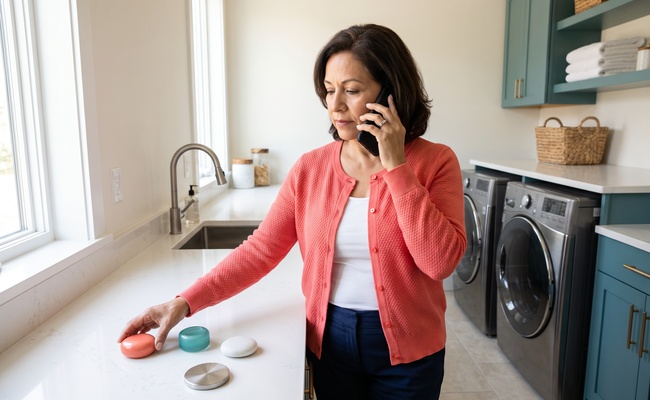
Make a four-column timeline: contact, date and time, instruction, and proof. Keep the company acknowledgment, bank confirmation, form submission, and account records private. A screenshot is not proof that the bank accepted a request to stop the debit. Save the institution’s confirmation separately.
Knowing the exact debit prevents an overbroad response. If you authorized the company, use revocation and bank instructions to stop the debit. If the transaction is unfamiliar, report a possible unauthorized transfer instead of calling it merely canceled, even if you were trying to stop the debit from another company.
Next actions: Record the company, amount, account, scheduled date, recurring status, and remaining business-day window. Then move to the authorization and notice steps to stop the debit before it enters processing.
Step 2: Revoke authorization with the company in writing
Tell the company that you revoke permission for it to take automatic payments from your account, then follow up in writing. The Consumer Financial Protection Bureau recommends calling and writing the company. State whether you are ending automatic withdrawals only, changing the payment method, or canceling the underlying service or contract as well. This is the central step when you want to stop the debit because the debit was originally authorized, and it creates the record the bank may need.
Use a direct message. Identify only the information needed to locate the authorization, state the effective date, and ask the company to confirm that it will stop the debit and initiate no further debits. Explain how you will handle the underlying bill, and save the response.
A useful script is: “I revoke my authorization for automatic electronic debits from my account for [company]. Please stop initiating ACH withdrawals effective immediately and confirm in writing. This request changes the payment method only; it does not by itself cancel any balance or contract.” Adapt the wording to your facts, avoid sending full account credentials by ordinary email, and use the company’s verified portal or mailing address when required.
Ask whether the next automatic ACH payment is pending or already submitted. Revocation may not reverse a transaction already in settlement. Ask what the company can do to stop the debit that is scheduled next, request written confirmation, and contact the bank promptly if the company cannot help.

Revocation does not decide whether the debt exists. Stopping an automatic ACH payment changes the withdrawal method; it does not erase a balance, extend a deadline, or guarantee a fee waiver. Arrange another payment method or ask the company about a documented alternative.
If a later debit appears after the company confirms revocation, save that confirmation beside the statement. Tell the bank the date authorization ended and identify the payment. A post-revocation debit may be an error; use precise dates and amounts when asking how to stop the debit that continued.
Next actions: Send the revocation through a verified company channel, save the sent message and response, ask about pending payments, and record whether the underlying obligation still requires another payment method after you stop the debit.
Step 3: Notify your bank or credit union and ask about a stop-payment order
Contact your bank or credit union after revoking authorization and say exactly which company may no longer initiate automatic payments. The CFPB recommends telling the institution that you revoked authorization. Ask whether it requires a stop-payment order, a form, a fee, or written confirmation. Use the institution’s official phone number, secure message center, branch, or verified mailing address—not a number copied from an unverified message.
Under 12 CFR 1005.10, a consumer may stop payment on a preauthorized electronic fund transfer by notifying the financial institution orally or in writing at least three business days before the scheduled transfer. The institution may require written confirmation within 14 days of an oral notification and must tell you about that requirement and where to send it. Ask how those rules apply to your account and the institution’s process.
Give the bank the company name, amount or range, scheduled date, account, and whether you want one or recurring withdrawals stopped. Ask the representative to repeat the instruction and confirm any processor name. Request a case number or written record of the request to stop the debit.
Ask whether the order covers one item, recurring transactions, or a specified company; when it begins; how long it lasts; whether renewal is required; and what fee applies. Fees and duration vary, so ask before relying on a stop to stop the debit.

Complete written confirmation promptly if required. Use the bank’s exact form and include the company, amount, account, date, and requested scope. Keep proof of delivery and call details. This record matters if the automatic ACH payment posts despite the request.
A stop-payment order instructs the bank; it does not replace telling the company that authorization was revoked. Use both channels to stop the debit and preserve evidence, while treating the bank instruction and underlying bill as separate tasks. This sequence is easier to audit.
Next actions: Tell the bank or credit union about the revoked authorization, complete any required stop-payment order, ask about timing and fees, and save the confirmation and written submission.
Step 4: Confirm what was stopped and protect the account around the debit date
Monitor the account before, on, and after the scheduled date, and compare the transaction with the stop request. A call is not the same as a posted result. Check whether the debit is pending, posted, returned, or absent, and save the amount, descriptor, and date after you stop the debit.
Keep funds available for legitimate transactions. Moving all money or closing the account can cause overdrafts, bounced payments, disrupted deposits, or new fees. Ask what any broader account-protection step does before using it to stop the debit.
If the automatic ACH payment does not appear, record the result and confirm how long the instruction remains active. If it appears pending, call the bank immediately. If it posts, identify whether it was initiated before or after revocation and whether the bank received your request before its cutoff. Those facts matter more than assuming the payment was blocked.
Review related transactions for several cycles because a company or processor may use another descriptor or amount. Compare details carefully. A debit you never authorized is a separate issue, even after you stop the debit, and should be reported promptly to the institution.

Save the agreement, company revocation, bank request, confirmations, statements, and call notes. Record who gave each instruction and the stated deadline. This chronology helps the bank evaluate what happened after you stop the debit and whether the later debit followed revocation.
For broader context on protecting a negative balance and preventing additional account fees, see Negative Bank Account Balance. If an overdraft also led to account closure, see Bank Account Closed Due to Overdraft. Those topics are separate from the authorization, bank instruction, and transaction record needed to stop the debit.
Next actions: Check the account at the relevant times, preserve statements and confirmations, keep funds available for legitimate obligations, and document any debit that appears despite your instructions.
Step 5: Report a post-revocation or unauthorized transfer promptly
If money is taken after you revoked authorization, or if the transfer never had actual authority, contact the bank promptly and describe the issue as accurately as possible. Do not call every unwanted debit “fraud.” A previously authorized payment that continued after revocation and a payment initiated without actual authority require different explanations when you stop the debit. Describe the facts precisely.
The CFPB’s Regulation E error-resolution guidance lists an unauthorized electronic fund transfer as an error. Give the institution the transaction date, amount, descriptor, account, reason, and notice dates, and ask what written confirmation it requires after you stop the debit.
The CFPB defines an unauthorized EFT as one initiated by someone other than the consumer without actual authority and from which the consumer receives no benefit. That is different from a payment the consumer regrets. Explain the revocation date if authorization existed; if none existed, say so and ask about Regulation E error resolution after you stop the debit.
Timing matters. Regulation E’s liability and notice rules depend on the transfer and when you learn of it or receive the statement. The CFPB’s current § 1005.6 liability guidance describes different limits and notice windows. Do not wait for a company promise after you stop the debit if it may be unauthorized.

Ask for the case number and keep the notice, statement, and investigation communications. The CFPB’s Regulation E FAQ explains that notice of an error triggers prompt investigation and required reporting and correction steps. Keep a dated record after you stop the debit.
Do not stop at the bank notice if the account remains open. Review linked services and access credentials when appropriate, preserve company correspondence, and ask the bank about other authorizations. Stopping an automatic ACH payment is only one part of protecting the account; review linked services and other scheduled withdrawals too.
Next actions: Notify the bank promptly, use accurate language about authorization, provide transaction details and dates, complete any required written confirmation, and keep the case record until the issue is resolved after you stop the debit.
Step 6: Replace the payment method without losing the underlying obligation
After you stop the debit, make a separate plan for the bill, loan, subscription, or service it was paying. Confirm whether the contract remains active, whether a manual payment is due, and whether a new method can be set up safely. Canceling or revoking an automatic debit does not automatically cancel what you owe.
After you stop the debit, ask the company for the current balance, next due date, accepted methods, and any fee or consequence tied to a missed payment. Get the information in writing. The stopped debit does not mean a loan is paid, paused, or forgiven; review any new authorization carefully.
Choose a replacement method that fits the timing and funds. A manual transfer, bill pay, check, or card payment may have different posting times and fees. Ask when the company considers it received, then verify the transaction after you stop the debit.
Build a short cash-flow buffer around the change. A stopped debit may leave money available for other pending transactions, so review overdraft risk, bills, and deposits. If the shortfall is temporary, ask the company about a documented alternative after you stop the debit.

For additional context on recurring overdraft patterns and account protection, see Recurring Overdraft Fees. For a focused guide to asking a bank to reverse a fee, see How to Ask Your Bank to Refund an Overdraft Fee. Those resources address related cash-flow concerns; neither replaces the authorization and bank-notice sequence in this article.
Close the loop after the replacement method is active. Confirm receipt, verify the first payment, and check that the old authorization has not resumed. If it has, ask for written clarification and contact the bank again; stopping the debit should leave the next cycle clear.
Next actions: Confirm the underlying obligation, select a replacement method, obtain the next due date and amount in writing, verify the first replacement payment, and keep the old stop records with the new arrangement.
What to Do Next
Use a 30-minute block today to identify the debit, send the company revocation, and contact your bank or credit union. Put the scheduled date and every confirmation number on your calendar. If the payment is within three business days, say that immediately and ask the institution what emergency or cutoff procedure applies.
After the immediate risk passes, confirm the underlying bill and replacement payment method. Keep the company notice, bank instruction, account statement, and any error-resolution case together. If a later transfer appears, report it promptly with the exact dates and language you used rather than relying on a general description.
Disclaimer: The Debt Survival Guide provides educational content only. We are not attorneys, tax professionals, or financial advisors. This information should not be considered legal, tax, credit, banking, or individualized financial advice. ACH authorizations, bank procedures, Regulation E rights, deadlines, fees, contracts, and available options vary by account, institution, transaction, person, and applicable law. Review your records and current official instructions and consult a qualified attorney, legal-aid organization, bank representative, or financial professional before making decisions about your situation.
References and Sources
- Consumer Financial Protection Bureau — How do I stop automatic payments from my bank account?
- eCFR — 12 CFR 1005.10, Preauthorized transfers
- Consumer Financial Protection Bureau — § 1005.6 Liability of consumer for unauthorized transfers
- Consumer Financial Protection Bureau — Electronic Fund Transfers FAQs