Mei reaches the registrar window after dark with a tuition slip and a debit card. The card is declined, and her banking app shows the joint-account balance is unavailable. With registration closing soon, she worries that money she deposited for class will not be accessible when she needs it.
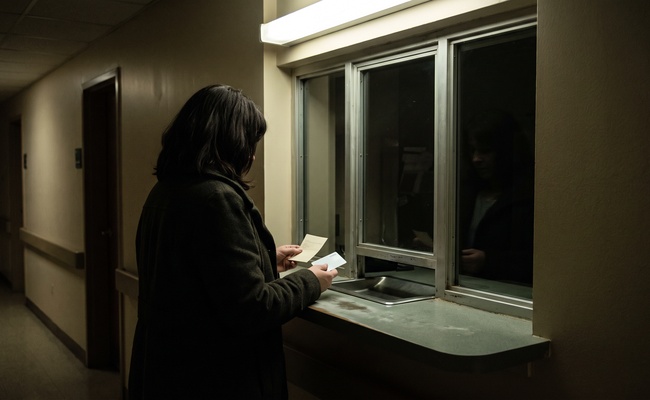
A declined card does not explain why an account is restricted. If a creditor is pursuing the other owner, Mei needs to identify the restriction and gather records showing whose money is in the account. Can a debt collector take money from a joint account—and what can an owner who does not owe the debt do next?
The Debt Survival Guide is led by Jim Prather, a retired CPA with 45 years of experience. Articles are created with AI assistance through a structured research and writing process. Jim provides editorial direction and performs a high-level structural review, but he does not personally write or line-edit every article. Important legal details should be verified through the cited official sources or a qualified professional.
Table of Contents
Can a Collector Reach a Joint Bank Account?
Short answer: <strong>Yes, potentially.</strong> For an ordinary private consumer debt, a collector generally must sue, obtain a judgment, and obtain a garnishment order before reaching a bank account. If the person who owes the debt is a joint owner, the account may be affected. But shared ownership does not establish that every dollar can lawfully be taken.
The CFPB explains the usual court process in its guidance on bank-account and wage garnishment. The amount reachable, the procedure for restricting funds, and the available exemptions depend on applicable law. Account ownership, deposit sources, and the terms of the order also matter.
A collection demand alone is not a bank garnishment order. However, do not assume every collection process requires a lawsuit: the CFPB’s definition of garnishment notes that some government debts can be collected without a court judgment. Our guide to whether debt collectors can take money from your bank account provides broader context for the bank-account question.
Why Ownership and Deposit Records Matter
There is no nationwide rule that a creditor can take exactly half of a joint account—or automatically take all of it. Jurisdiction-specific law may determine how ownership shares are presumed, what evidence can challenge that presumption, and how an owner who does not owe the debt can object. The account agreement and the relationship between the owners may also affect the analysis.
Being listed on an account and having deposited its money are different facts. Both can matter. If you funded the account but the judgment is against the other owner, preserve evidence rather than relying on the statement that the money is yours. Useful records include:
- The account-opening documents and agreement identifying the owners and account type.
- Statements showing the balance, deposits, transfers, and withdrawals over time.
- Pay stubs and direct-deposit records that match deposits to an owner.
- Benefit statements or other records identifying potentially exempt payments.
- A simple deposit timeline explaining the source and owner of each disputed amount.
These records support an ownership or exemption claim; they do not guarantee release. A legal-aid organization or attorney familiar with the court handling the order can explain what proof and procedure that jurisdiction requires.
First Steps When the Account Is Restricted
Start by finding out what happened. A declined payment or unavailable balance does not, by itself, prove that a creditor obtained a garnishment order. Contact the bank promptly and check mailed notices, secure messages, and any court papers.
- Read the notice. Identify the creditor, court, case number, person named in the order, restricted amount, and any objection or exemption deadline. Keep the envelope and record when you received it.
- Ask the bank for the paperwork and procedure. Request a copy of the order and any notice it issued. Ask what amount is restricted, what remains available, whether an exemption review occurred, and which department handles garnishments.
- Document ownership and deposits. Download statements and gather the records linking deposits to each owner. Keep copies of everything you submit.
- Confirm the required filing. Ask qualified local legal help whether you need an exemption claim, an ownership objection, or another procedure. Confirm the form, filing location, service requirements, and deadline.
Do not assume a phone call pauses a deadline. The bank can explain its handling of the order, but an ownership dispute may require court action. If you cannot obtain the notice or order promptly, contact the court identified by the bank and seek local legal help rather than waiting without a plan.
Our guide to claiming a bank levy exemption can help you organize the next steps. Use the actual notice and local requirements to determine what must be filed in your case.
Check Whether the Money Is Protected
Federal and state exemptions may protect funds even when a creditor has a judgment. The CFPB’s guidance on garnishment of wages and benefits explains that banks generally must review two months of qualifying directly deposited federal benefits and protect the applicable amount from ordinary garnishment.
That automatic protection is not a blanket exemption for the entire joint account. Benefit money deposited by check does not receive the same automatic direct-deposit review, and money above the automatically protected amount may require a separate exemption claim. Government-debt and support exceptions also require separate analysis.
Tell the bank and your legal adviser which deposits are benefits and which owner received them. Ask how the bank applied the benefit review and how to challenge an apparent error. Do not assume that mixing benefits with other deposits eliminates every protection—or that it protects every deposit.
Paychecks and other funds may have protections under applicable law, but wage-garnishment limits do not establish a universal percentage limit for a joint bank account. Ask about the rules for the money after deposit, not just the rules for withholding earnings from an employer.
Bank Garnishment Is Different From Electronic Debits
A court-ordered bank garnishment and an electronic payment are different processes. A lender’s debit under a payment authorization is not the same as a court order directing the bank to withhold money. A disputed or unauthorized transaction also needs a different response from an exemption claim.
Ask the bank to identify whether you are seeing a legal hold, a pending payment, or a completed debit. For a debit, request the transaction details and ask how to dispute it or address future payment authorization. For a garnishment, request the order and the relevant notice. Do not treat canceling a payment authorization as a way to cancel a court order, and do not assume either action resolves the underlying debt.
Manage Upcoming Bills Without Moving Funds Blindly
While you pursue release of disputed funds, make a list of payments due soon. Ask the bank what is actually available before scheduling another payment. Contact essential billers—such as your landlord, utility provider, or insurer—to ask about payment arrangements and how to avoid repeated failed-payment attempts. Do not assume a bank restriction automatically extends those deadlines.
Do not move protected funds blindly. Before transferring benefits, redirecting deposits, changing ownership, or closing the account, ask qualified local legal help how the order and exemptions apply. Transfers can complicate tracing the source of money, and moving funds does not necessarily defeat a creditor’s legal rights.
Ask the bank how the restriction affects incoming deposits and whether any protected amount remains accessible. The treatment of later deposits depends on the order and applicable procedures; do not rely on a universal promise that they are either safe or automatically frozen. Our guide to a bank account frozen after a judgment offers additional practical context.
Get Local Help and Review the Account Arrangement
Bring the order, notices, account agreement, statements, and deposit timeline to a consumer-law attorney or legal-aid organization. Explain whether you owe the debt, whether the judgment names the other owner, and which deposits you believe belong to you or are exempt. Ask what can be challenged, what deadline applies, and whether a hearing is necessary.
If you cannot obtain representation immediately, ask the court clerk about available forms and filing instructions. Clerks can provide procedural information but cannot choose your legal arguments. Keep seeking qualified advice while tracking the deadline.
If you owe the debt and believe the judgment resulted from a case you did not answer, discuss that issue separately with counsel. Our guide to a default judgment for debt explains the issue, but a possible judgment challenge does not automatically stop a garnishment. If you have received a summons and no judgment has been entered, use our guide to answering a summons for debt collection to understand the response stage; responding does not guarantee that the creditor will lose.
For future planning, ask the bank and a qualified adviser whether shared ownership is necessary or whether another arrangement could provide help with bills. Do not change the account structure on the assumption that it guarantees creditor protection. The immediate priority is simpler: identify the restriction, preserve deposit records, and use the correct local procedure before the deadline passes.
What to Do Next
Next, ask the bank for the restriction notice and the garnishment order, then preserve statements showing who deposited the money. Do not transfer or spend funds blindly. Use the stated court procedure and qualified local legal help to raise an ownership or exemption issue.
Disclaimer: The Debt Survival Guide provides educational content only. We are not attorneys, tax professionals, or financial advisors. This information should not be considered legal, tax, housing, credit, or individualized financial advice. Circumstances, agreements, deadlines, laws, and available options vary by person, account, location, and situation. Please review your records and written terms and consult a qualified attorney, legal-aid organization, HUD-approved housing counselor, tax professional, credit counselor, or financial professional before making decisions about your specific situation.
References and Sources
- Consumer Financial Protection Bureau: Can a payday lender garnish my bank account or my wages if I don’t repay the loan? Explains the usual lawsuit, judgment, and garnishment-order process and jurisdiction-dependent protections.
- Consumer Financial Protection Bureau: Can a debt collector take or garnish my wages or benefits? Explains exemptions, directly deposited federal-benefit protections, and exceptions.
- Consumer Financial Protection Bureau: Debt collection key terms. Defines garnishment and notes that some government debts can be collected without a court judgment.