When Marcus finally decided to consolidate his $24,000 in credit card debt, his first question was not about interest rates or monthly payments. It was about time. He wanted to know how long does debt consolidation take from start to finish, because every month spent in limbo meant another month of stress, uncertainty, and compounding interest eating away at his financial future. The answer surprised him because consolidation is not a single event but a multi-phase process with its own timeline at every stage. Understanding how long does debt consolidation take from the very beginning helps you plan realistically and avoid the frustration that derails so many people midway through.

At The Debt Survival Guide, our team draws on over this guide provides general educational information to help you understand exactly what to expect when consolidating debt. We have guided many consumers; the narrative is illustrative, not a prevalence estimate through this process and know that uncertainty about timelines creates anxiety that can derail even the best financial plans. This guide breaks down every phase of consolidation so you can plan realistically and set expectations that match reality rather than marketing promises. Knowing how long does debt consolidation take at each stage eliminates the uncertainty that causes so many people to abandon the process before seeing results.
Table of Contents
The Application and Approval Phase
The first stage of consolidation involves researching options, comparing offers, and submitting applications. How long does debt consolidation take during this initial phase depends entirely on the method you choose and how prepared you are. For a personal consolidation loan from a bank or credit union, the application process typically takes one to five business days from submission to approval decision. Online lenders often provide decisions within 24 to 48 hours, while traditional banks may take three to five business days to review your application. The answer to how long does debt consolidation take in the approval phase alone ranges from same-day to over a week depending on your chosen lender type.
Before applying, you should spend at least one to two weeks researching and comparing offers from multiple lenders. Rushing this phase to save time often costs you money in the long run because you may accept a higher interest rate or worse terms than necessary. The Consumer Financial Protection Bureau recommends comparing at least three to five offers before committing to any consolidation product.

Balance transfer credit cards have a different timeline. Approval can happen instantly for online applications, but the actual transfer of balances from your existing cards to the new card takes 5 to 14 business days after approval. During this transfer window, you must continue making payments on your original accounts to avoid late fees and credit damage. Many people ask how long does debt consolidation take with balance transfers specifically, and the answer is that while approval is fast, the complete transfer process adds two to three weeks before everything is settled.
During this waiting period, interest continues accruing on your original accounts, so timing your application strategically can save you money. Understanding how long does debt consolidation take with each specific method prevents unpleasant surprises during the transition.
The Funding and Payoff Phase
Once approved for a consolidation loan, the funding timeline varies by lender. Some online lenders deposit funds into your bank account within one to two business days after approval. Traditional banks and credit unions may take three to seven business days. Credit unions in particular sometimes have longer processing times but often offer lower rates that make the wait worthwhile. When calculating how long does debt consolidation take with a credit union, add an extra two to three business days compared to online lenders. If you are exploring whether consolidation is right for you, understanding the debt consolidation pros and cons helps you decide before investing time in applications.
After receiving the funds, you need to pay off each individual creditor. If the lender pays your creditors directly, which some consolidation loan providers offer as a service, this process takes an additional three to seven business days per creditor. If you receive the funds and pay creditors yourself, you can initiate payments immediately but should allow five to ten business days for each payment to post and reflect as paid in full on your accounts.

The total time from application to having all original debts paid off and your single consolidation loan active is typically two to six weeks. How long does debt consolidation take in this setup phase is important to understand because during this transition period, you may need to make payments on both your original debts and your new consolidation loan if billing cycles overlap. Budget for this possibility so you are not caught short during the transition.
Having a clear financial plan during the consolidation transition prevents panic and double-payment stress. Our guide on creating a realistic debt repayment budget shows you how to account for overlap periods, build emergency margins, and allocate every dollar intentionally during the consolidation process.
Planning for this overlap period is essential because unexpected double payments are the most common reason people panic during consolidation and question whether they made the right decision. Knowing how long does debt consolidation take in this transition phase helps you budget accordingly and avoid financial strain.
The Repayment Timeline: How Long Until You Are Debt-Free
The repayment phase is where the true answer to how long does debt consolidation take becomes clear. This is the longest phase by far, and it depends entirely on the loan terms you accepted. Personal consolidation loans typically have repayment terms ranging from two to seven years. The term you choose creates a direct tradeoff between monthly payment amount and total interest paid over the life of the loan. This is where the real answer to how long does debt consolidation take becomes a personal decision rather than a fixed timeline.
A shorter term means higher monthly payments but less total interest and a faster path to being debt-free. A longer term means lower monthly payments but significantly more interest paid overall. For example, consolidating $25,000 at 9% interest over three years costs approximately $3,600 in total interest with payments around $795 per month. The same amount over seven years costs approximately $8,700 in total interest but with payments of only $400 per month. The Federal Trade Commission recommends choosing the shortest term you can comfortably afford to minimize total cost.
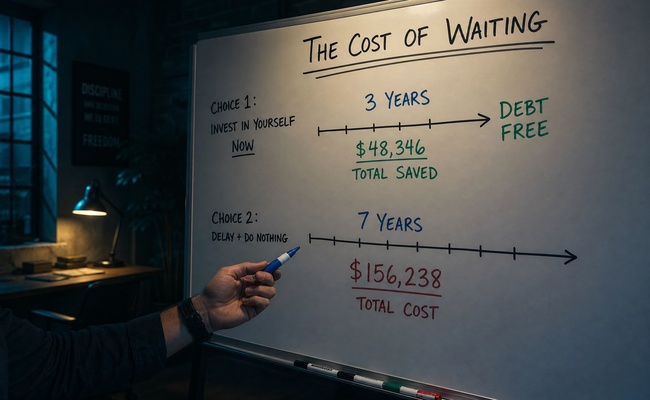
Balance transfer cards with promotional zero-percent interest periods create a different timeline pressure. These promotions typically last 12 to 21 months, and you must pay off the entire transferred balance before the promotional period expires. If any balance remains when the promotion ends, the card’s regular interest rate, often 20% or higher, applies to the remaining amount. This makes the answer to how long does debt consolidation take with balance transfers very specific: you have a fixed deadline that you must meet or face severe financial consequences.
If the balance transfer timeline feels too aggressive, our detailed guide on balance transfer strategies explains how to calculate whether you can realistically pay off the balance before the promotional period expires and what to do if you cannot.
Missing this deadline can result in thousands of dollars in retroactive interest charges applied to your entire original transferred balance, not just the remaining amount. This hard deadline makes how long does debt consolidation take with balance transfers a critical planning factor that cannot be ignored.
Factors That Speed Up or Slow Down the Process
Multiple variables determine how long does debt consolidation take beyond the basic loan terms. Your credit score significantly impacts the timeline at every stage. Borrowers with excellent credit scores receive faster approvals, better terms, and more options. Those with lower scores may face additional documentation requirements, manual underwriting reviews, and longer processing times. If your score is below 650, expect the application phase to take longer as lenders require more verification of your ability to repay. For borrowers with scores above 720, the question of how long does debt consolidation take in the approval phase is often answered in hours rather than days.

The number of debts you are consolidating also affects the timeline. Paying off three creditors takes less time than paying off twelve. Each creditor payment needs to process, post, and confirm, and complications like incorrect payoff amounts or closed account issues can add days or weeks to the process. Request exact payoff amounts from each creditor before initiating payments because balances change daily with accruing interest. This step alone can prevent weeks of back-and-forth disputes that delay your consolidation completion. If you have debts in collections, understanding how long collections stay on your credit report helps you prioritize which debts to address first.
Your own preparation level dramatically affects the timeline. Having all required documents ready before applying, including pay stubs, tax returns, bank statements, and a list of all debts with account numbers, can shave days off the approval process. Lenders frequently delay approvals because applicants submit incomplete information that requires follow-up requests and additional review cycles.
The type of debt you are consolidating also matters when determining how long does debt consolidation take. Credit card debt consolidates relatively quickly because payoff amounts are straightforward and accounts close or zero out immediately. Medical debt may require additional verification steps and negotiation with billing departments. Student loans have their own consolidation programs with separate timelines and eligibility requirements that differ significantly from consumer debt consolidation. Federal student loan consolidation through the government typically takes 30 to 60 days, which is considerably longer than private consumer debt consolidation. Knowing how long does debt consolidation take for each debt type helps you set accurate expectations for your specific mix of obligations.
Geographic location can play a minor role as well. Some states have additional consumer protection requirements that add processing steps to loan approvals. If you are working with a local credit union, their staffing levels and processing capacity affect how long does debt consolidation take compared to large national online lenders with automated systems that process applications around the clock.
What to Expect Month by Month After Consolidating
Understanding how long does debt consolidation take to produce visible results helps you stay motivated through the repayment phase. During the first month after consolidation, focus on confirming that all original accounts show zero balances and that your new loan payment is set up correctly. Check each original creditor’s statement or online portal to verify the payoff was received and processed. Report any discrepancies immediately because errors caught early are much easier to resolve than those discovered months later. This verification step is crucial because how long does debt consolidation take to fully complete depends on catching and resolving any issues during this first month rather than discovering problems six months later.
By months two through three, you should see your credit score begin to improve as the reduced utilization on your credit cards gets reported to the bureaus. This improvement happens automatically as creditors report your zero balances during their normal monthly reporting cycles. How long does debt consolidation take to positively impact your credit depends on when each creditor reports, but most people see measurable improvement within 60 to 90 days. This credit score boost is one of the earliest tangible rewards of consolidation and can provide motivation to continue making consistent payments.
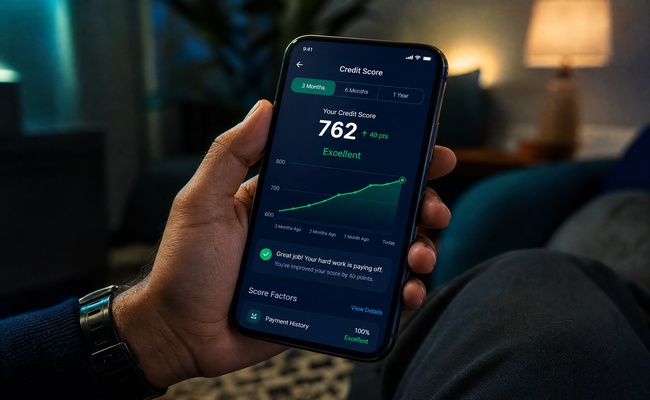
Between months three and six, focus on building momentum. Track your declining balance each month and celebrate milestones like paying off 10%, 25%, and 50% of the original amount. Many people find that creating a visual tracker, such as a thermometer chart on their refrigerator, makes the progress tangible and reinforces positive behavior. At this stage, how long does debt consolidation take becomes less of a question and more of a countdown you can actually see shrinking.
By month six, you should have a well-established payment routine and visible progress on your loan balance. This is a critical psychological milestone because seeing the balance decrease provides motivation to continue. If you are struggling with motivation during the repayment phase, the debt snowball vs debt avalanche comparison offers insights on which repayment psychology works best for different personality types. By this point, how long does debt consolidation take is no longer an abstract question but a concrete countdown you are actively living through.
When Consolidation Takes Longer Than Expected
Sometimes how long does debt consolidation take exceeds your original expectations due to circumstances beyond your control. Several common situations can extend the timeline significantly. Loan denials force you to either improve your application and reapply, which adds weeks or months, or explore alternative consolidation methods.
If your first application is denied, do not immediately apply elsewhere because multiple hard inquiries in a short period can further damage your score. Wait at least 30 days, address the reason for denial, and then try a different lender. Common denial reasons include insufficient income relative to debt, too many recent credit inquiries, or a debt-to-income ratio above the lender’s threshold. A denial can add one to three months to the overall timeline of how long does debt consolidation take if you need to rebuild before trying again.

Creditor disputes can also delay the process. If a creditor claims you owe more than you expected, or if there are fees or penalties you did not anticipate, resolving these discrepancies takes time. Always request written payoff quotes that are valid for at least 30 days so you have documentation of the agreed amount. The Fair Debt Collection Practices Act provides protections if collectors attempt to inflate balances or add unauthorized charges during the payoff process.
Life changes during the repayment phase can also extend your timeline. Job loss, medical emergencies, or unexpected expenses may force you to request forbearance or modify your loan terms. Most lenders offer hardship options that temporarily reduce or pause payments, but these extensions add months or years to your total repayment timeline. How long does debt consolidation take when hardship modifications are involved depends on the length of the forbearance period and whether missed payments are added to the end of the loan or require recalculation of the entire amortization schedule. If you find yourself in financial hardship during repayment, exploring credit card hardship programs for any remaining revolving debt can free up cash flow for your consolidation payment.

The key takeaway about how long does debt consolidation take is that the process often has three illustrative phases: setup (which may take two to six weeks), active repayment (which may take two to seven years), and credit recovery (which may continue for three to six months after payoff). Each phase requires different actions and different patience levels. Understanding this complete timeline from the beginning prevents discouragement and helps you stay committed through the inevitable moments when progress feels slow. The people who successfully complete consolidation are those who accepted the realistic timeline upfront rather than expecting instant results. Now that you understand exactly how long does debt consolidation take at every stage, you can make an informed decision about whether this path aligns with your financial goals and patience level.
Frequently Asked Questions
How long does debt consolidation take to show on my credit report?
The new consolidation loan typically appears on your credit report within 30 to 45 days of funding. Your original accounts should show as paid in full within one to two billing cycles after payoff. The net positive effect on your credit score usually becomes visible within 60 to 90 days of completing the consolidation process.
Can I speed up my consolidation loan repayment?
Yes. Most consolidation loans allow extra payments without prepayment penalties. Making additional payments directly toward principal reduces both your total interest cost and your repayment timeline. Even an extra $50 to $100 per month can shave months or years off your payoff date depending on your loan size and interest rate.
How long does debt consolidation take if I use a debt management plan?
Debt management plans through nonprofit credit counseling agencies typically last three to five years. The setup process takes two to four weeks as the agency negotiates reduced interest rates with each of your creditors. Monthly payments are fixed throughout the plan, and you must complete the full term to receive the negotiated benefits.
What happens if I miss a payment during the consolidation repayment?
Missing a payment triggers a late fee, typically $25 to $40, and may be reported to credit bureaus after 30 days. Multiple missed payments can result in default, which severely damages your credit and may trigger acceleration clauses requiring immediate full repayment. Contact your lender immediately if you anticipate difficulty making a payment to explore options before the situation escalates.
How long does debt consolidation take compared to debt settlement?
Debt consolidation typically takes two to seven years to complete full repayment. Debt settlement programs usually take two to four years but involve intentionally defaulting on payments during the negotiation period. Consolidation preserves your credit throughout the process while settlement causes significant credit damage during the negotiation phase before recovering.
Is there a minimum time for debt consolidation?
There is no legal minimum, but practical minimums exist based on the method. Balance transfer cards require payoff within the promotional period of 12 to 21 months. Personal loans typically have minimum terms of 12 to 24 months. The fastest realistic consolidation payoff for most people is 12 to 18 months with aggressive payments on a moderate debt load.
Here Are More Articles That Might Interest You
If you are weighing consolidation against other options, our guide on bankruptcy vs debt settlement compares the most common alternatives.
Learn what happens to your accounts if you stop paying credit cards and how the timeline compares to consolidation.
Understanding the statute of limitations on debt by state helps you evaluate whether old debts are worth including in consolidation.
If collectors are pressuring you during the consolidation process, know how to stop debt collectors from calling while you get organized.
Our guide on debt management plan pros and cons explains this nonprofit alternative to traditional consolidation loans.
Discover whether credit card debt forgiveness is real or a scam before pursuing settlement as an alternative.
If you owe taxes on forgiven debt after settling, learn about Form 1099-C and taxes on settled debt to avoid surprises.
Find out how to negotiate a debt settlement if consolidation does not work for your situation.
Our guide on charge-off vs collection explains what these terms mean for debts you are considering consolidating.
Learn whether you might be judgment proof and what that means for your urgency to consolidate.
Join Our Newsletter
From time to time, we’ll send you information and resources that we believe may be helpful to you.
Subscribe to The Debt Survival Guide Newsletter
Disclaimer: The Debt Survival Guide provides educational content only. We are not attorneys, tax professionals, or financial advisors. This information should not be considered legal, tax, housing, credit, or individualized financial advice. Circumstances, agreements, deadlines, laws, and available options vary by person, account, location, and situation. Please review your records and written terms and consult a qualified attorney, legal-aid organization, HUD-approved housing counselor, tax professional, credit counselor, or financial professional before making decisions about your specific situation.