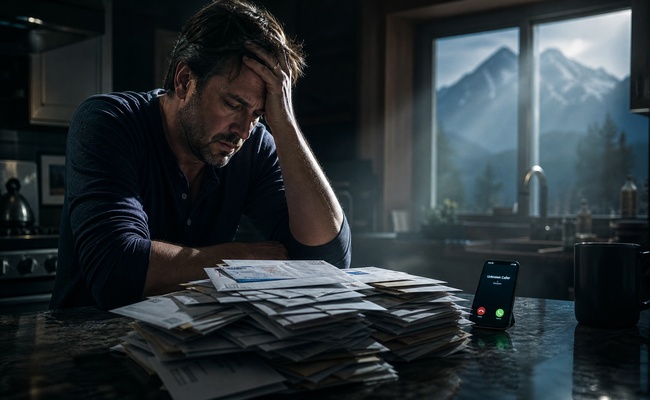
John stared at the growing stack of envelopes on his kitchen counter, the red “URGENT” stamps mocking his empty bank account. He had lost his job three months ago, and after draining his meager savings, he had to make a choice: buy groceries for his family or send money to the credit card companies. He chose groceries. Now, as his phone buzzed for the fourth time that morning with an unknown number, a knot of anxiety tightened in his chest. He wondered what would actually happen if he just decided to stop paying credit cards altogether. It is a terrifying position that many consumers; the narrative is illustrative, not a prevalence estimate find themselves in every year, paralyzed by the fear of the unknown.
At The Debt Survival Guide, our team draws on over 45 years of CPA experience to help you navigate the turbulent waters of financial distress. We have seen firsthand how the panic of unmanageable debt can cloud your judgment and make a bad situation worse. When you stop paying credit cards, the consequences unfold on a illustrative timeline that varies by issuer, account, and jurisdiction. Understanding this timeline is the first step toward taking control of your financial future and finding a realistic path to recovery.
Table of Contents
What Happens When You Stop Paying Credit Cards: The First 30 Days
When you first stop paying credit cards, the immediate consequences might seem relatively minor, but they set the stage for more severe actions. Your payment is officially considered late the day after your due date. Initially, the credit card issuer will likely send a polite reminder via email or text message, assuming it was a simple oversight. However, this grace period is short-lived, and financial penalties begin to accumulate almost immediately. The initial shock of missing a payment can be stressful, but it is crucial to understand that the situation will escalate if you continue to stop paying credit cards without a plan.
The most immediate impact is the assessment of a late fee. Under current regulations, a first-time late fee can be up to $30, while subsequent late payments within six billing cycles can incur fees up to $41. These fees are added to your outstanding balance, meaning you will begin paying interest on the fees themselves. This compounding effect makes it even harder to catch up once you fall behind. If you stop paying credit cards, you must be prepared for your balance to grow faster than you might expect, creating a deeper financial hole that becomes increasingly difficult to climb out of.
If you have reached the point where you feel completely overwhelmed and are not sure which bills to pay first, read our complete triage guide on what to do when you are drowning in debt and need a clear starting point.
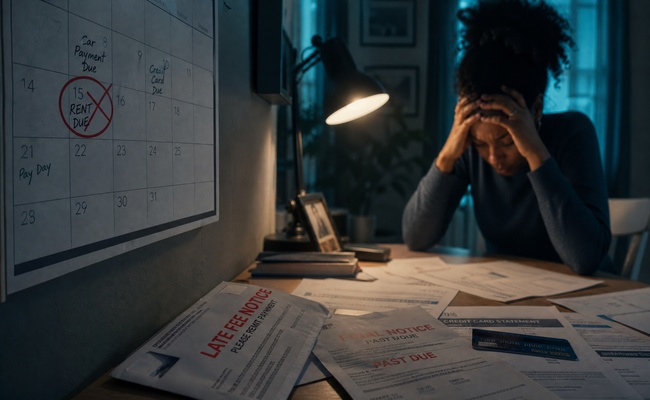
During this initial 30-day window, your missed payment is not yet reported to the major credit bureaus. Credit card companies typically wait until an account is a full 30 days past due before reporting the delinquency. This means that if you can find the funds to make at least the minimum payment before the 30-day mark, you can protect your credit score from significant damage. However, if you are truly unable to pay, this is the time to start exploring your options rather than simply ignoring the problem. Deciding to stop paying credit cards should never be a passive choice; it requires active management.
You will also start receiving phone calls from the credit card company’s internal collection department. These calls are usually professional but persistent. They want to know why you have missed your payment and when they can expect to receive it. Ignoring these calls will not make them stop; in fact, it often causes the frequency of the calls to increase. If you have decided to stop paying credit cards, you need a strategy for handling these communications. You can choose to answer and explain your situation, or you can begin preparing for the more aggressive tactics that will inevitably follow.
30 to 60 Days Past Due: The Damage Accelerates
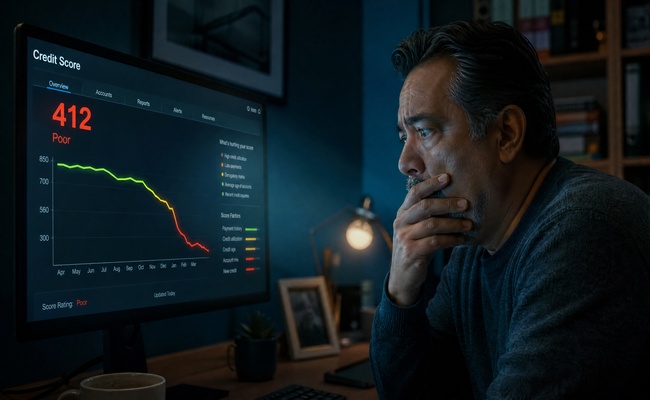
Once your account reaches 30 days past due, the situation escalates significantly. This is the point where your decision to stop paying credit cards begins to have a lasting impact on your financial profile. The credit card issuer will report your missed payment to Equifax, Experian, and TransUnion. A single 30-day late payment can cause your credit score to drop by as much as 100 points, depending on your prior credit history. This drop can affect your ability to secure loans, rent an apartment, or even get a job, as many employers now check credit reports during the hiring process.
At the 60-day mark, the financial penalties become much more severe. Most credit card agreements include a provision for a penalty Annual Percentage Rate (APR). If you are 60 days late, the issuer can legally raise your interest rate to the penalty APR, which is often 29.99% or higher. This exorbitant rate will be applied to your existing balance, causing your debt to spiral out of control even faster. When you stop paying credit cards, the penalty APR is one of the most destructive financial consequences, turning a manageable balance into an overwhelming burden in a matter of months.
The collection efforts will also intensify during this period. The internal collection agents will become more aggressive in their attempts to secure a payment. They may start calling you at work or contacting references you provided when you opened the account, although they are limited in what they can say to third parties. If you want to know how to stop debt collectors from calling, you have specific rights under federal law that you can exercise. You do not have to tolerate harassment just because you had to stop paying credit cards.
Your credit card issuer may also decide to reduce your credit limit or suspend your account privileges entirely. This means you will no longer be able to use the card for new purchases. If you were relying on credit cards to cover basic living expenses, this sudden loss of purchasing power can be devastating. It is a harsh reality that when you stop paying credit cards, your access to credit is quickly revoked. This can create an immediate cash flow crisis, forcing you to make difficult decisions about which essential bills to pay and which to let slide.
90 to 120 Days Past Due: Approaching the Point of No Return
By the time your account is 90 days past due, the credit card company views your debt as a serious liability. The internal collection efforts will reach their peak intensity. You may receive settlement offers at this stage, as the issuer would rather recover a portion of the debt than nothing at all. However, these offers often require a lump-sum payment that you may not have. If you continue to stop paying credit cards, the issuer will begin preparing for the next phase of the collection process, which involves transferring the account to a more aggressive department.
Your credit report will now show that you are 90 days late, which is a major red flag to any potential lender. The damage to your credit score is compounding, and it will take years of positive financial behavior to rebuild it. Furthermore, the late fees and penalty interest continue to accrue every month, inflating your balance to a number that may seem impossible to repay. The longer you stop paying credit cards, the deeper the financial hole becomes, and the harder it will be to negotiate a favorable resolution with the original creditor.

Around the 120-day mark, the credit card issuer may decide that their internal collection efforts have failed. They may transfer your account to a late-stage collection department or assign it to an outside collection agency on a contingency basis. This means the original creditor still owns the debt, but they have hired a third party to collect it for them. These third-party collectors are often more aggressive and less willing to negotiate than the original creditor. When you stop paying credit cards, dealing with these third-party agencies becomes a significant source of stress.
If you find yourself in this situation, it is crucial to understand your rights. The Fair Debt Collection Practices Act (FDCPA) regulates the behavior of third-party debt collectors. They cannot use abusive language, threaten you with violence, or call you at unreasonable hours. If you are experiencing harassment, you should learn how to spot FDCPA violations and take action to protect yourself. You do not have to endure abuse just because you had to stop paying credit cards. Documenting every interaction is essential for your defense.
180 Days Past Due: The Charge-Off
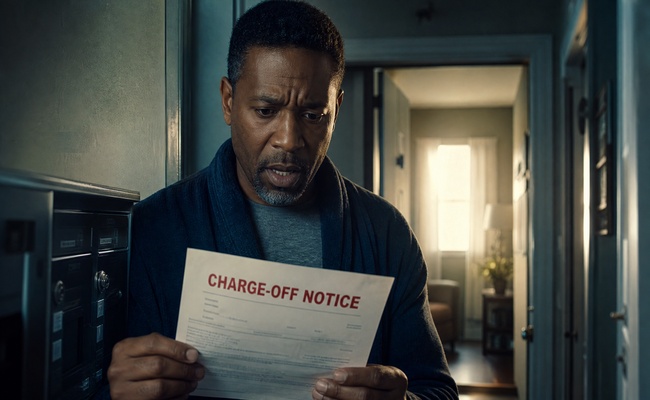
The 180-day mark is a critical milestone in the life cycle of unpaid credit card debt. According to federal banking regulations, a credit card issuer must “charge off” an account that is 180 days past due. A charge-off is an accounting term that means the creditor has written the debt off as a loss on their financial statements. However, a charge-off does not mean that you no longer owe the money. The debt is still valid, and the creditor still has the legal right to collect it. Choosing to stop paying credit cards does not erase the obligation.
When an account is charged off, it is reported as such to the credit bureaus. A charge-off is one of the most negative items that can appear on your credit report, and it will remain there for seven years from the date of your first missed payment. This status indicates to future lenders that you defaulted on a financial obligation. If you stop paying credit cards until the account is charged off, your creditworthiness will be severely impaired for a significant portion of a decade, affecting everything from auto loans to mortgage applications.
After the charge-off, the credit card issuer will typically sell your debt to a third-party debt buyer for pennies on the dollar. Once the debt is sold, the original creditor is no longer involved, and you will have to deal exclusively with the debt buyer. These companies purchase large portfolios of defaulted debt and use aggressive tactics to collect as much as possible. It is important to understand the charge-off vs. collection distinction, as it affects who you owe and how you should negotiate your settlement.
debt-buyer contact and settlement behavior vary by buyer, account, and applicable law. Contact frequency varies by buyer, account, and applicable law. Because they purchased your debt for a fraction of its face value, they are often willing to settle for less than the full balance. However, negotiating with a debt buyer requires strategy and caution. If you have decided to stop paying credit cards and your debt has been sold, you must be prepared for a long and difficult negotiation process. Never agree to a settlement without getting the terms in writing first. The Consumer Financial Protection Bureau explains your rights when dealing with debt buyers and third-party collectors.
The Threat of Legal Action: Lawsuits and Judgments
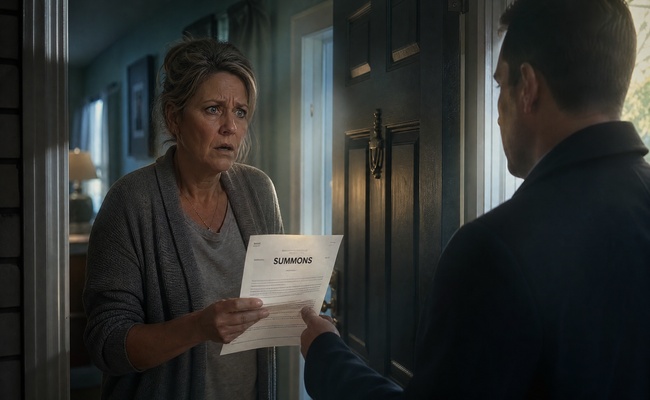
Perhaps the most frightening consequence of deciding to stop paying credit cards is the threat of a lawsuit. Debt buyers frequently use litigation as a tool to force payment. If they believe you have the means to pay but are simply refusing to do so, they may file a lawsuit against you in civil court. Being served with a summons and complaint can be a terrifying experience, but ignoring it is the worst possible response. You must face the situation head-on to protect your assets and your future.
If you are sued for credit card debt, you have a limited amount of time to file a formal response with the court. If you fail to respond, a court may enter a default judgment under the applicable procedure if you fail to respond. A default judgment may permit collection remedies subject to the judgment, court process, state law, exemptions, and protected funds. This is why you must never ignore a lawsuit, even if you know you owe the money and cannot afford to pay it. Filing an answer forces the creditor to prove their case.
With a judgment in hand, the creditor can employ aggressive collection methods that were previously unavailable to them. Depending on the laws in your state, they may be able to garnish your wages, levying a portion of your paycheck before you even receive it. They may also be able to place a lien on your property or seize funds directly from your bank account. If you stop paying credit cards and allow a lawsuit to result in a judgment, your financial stability will be severely compromised, making it nearly impossible to cover your basic living expenses.
It is also important to be aware of the statute of limitations on debt. This is the legal time limit within which a creditor can file a lawsuit to collect a debt. The statute of limitations varies by state and by the type of debt, but it typically ranges from three to ten years. Once the statute of limitations has expired, the debt becomes “time-barred,” and you can no longer be successfully sued for it. However, the debt still exists, and collectors may still attempt to contact you, so you must be careful not to accidentally restart the clock.
Alternatives to Ignoring the Problem
If you are struggling to make your minimum payments, deciding to simply stop paying credit cards should be your absolute last resort. There are several proactive steps you can take to manage your debt before it spirals out of control. The first step is to contact your credit card issuer directly. Many banks offer hardship programs designed to help customers who are experiencing temporary financial difficulties. These programs may include reduced interest rates, waived fees, or temporary forbearance, giving you the breathing room you need to get back on your feet.

Another option is debt settlement. This involves negotiating with your creditors to accept a lump-sum payment that is less than the full balance owed. Debt settlement can be done on your own or through a for-profit debt settlement company. While it can save you money, it may affect your credit score, with the effect depending on the model, data, and circumstances, as you must typically stop paying credit cards for several months to accumulate the necessary settlement funds. You must carefully weigh the pros and cons before pursuing this path, as it is fraught with risks and potential tax liabilities.
Before resorting to settlement or default, consider whether a promotional rate card could eliminate your interest charges entirely. Our guide on balance transfer strategies explains how to move your balance to a 0% card and pay off the principal without fighting compounding interest.
In extreme cases, bankruptcy may be the only viable solution. Chapter 7 bankruptcy can discharge most unsecured debts, providing a fresh start, while Chapter 13 bankruptcy involves a court-approved repayment plan over three to five years. Bankruptcy has long-lasting consequences for your credit and should only be considered after consulting with a qualified bankruptcy attorney. However, it provides legal protection from creditors that you do not have when you simply stop paying credit cards, stopping all collection activities and lawsuits immediately upon filing.
Taking Control of Your Financial Future
The decision to stop paying credit cards is never an easy one, and it is almost always driven by financial desperation. However, avoiding the problem will only make it worse. The late fees, penalty interest, credit damage, and potential legal action create a downward spiral that is incredibly difficult to escape. The key to surviving this crisis is to be proactive, understand your rights, and explore all available options. Ignoring the situation is the worst possible strategy you can employ.The Federal Trade Commission offers a free guide to help you evaluate your options and avoid scams.
If you have already missed payments, do not panic. Start by assessing your financial situation honestly. Create a bare-bones budget to determine exactly how much money you have coming in and going out. Prioritize your essential expenses, such as housing, food, and transportation. Once your basic needs are met, you can determine how much, if anything, you can afford to put toward your debt. You cannot make a plan until you know exactly where you stand, and burying your head in the sand will not solve anything.

Knowledge is your best defense against aggressive debt collectors and predatory practices. Educate yourself on the laws that protect consumers, such as the FDCPA and the Fair Credit Reporting Act (FCRA). Do not be afraid to demand that debt collectors validate the debt they are trying to collect. If you decide to stop paying credit cards, you must be prepared to advocate for yourself and protect your rights throughout the collection process. You have power, but you must be willing to use it.The CFPB’s debt collection resource page provides detailed information on your federal protections.
Frequently Asked Questions
What is the first thing that happens when you stop paying credit cards?
The first consequence when you stop paying credit cards is a late fee. Your credit card issuer will also begin attempting to contact you via phone, email, or text message to request payment. During the first 30 days, your credit score is generally safe, but the financial penalties begin immediately. If you stop paying credit cards, you should expect these communications to increase in frequency and urgency as time goes on.
How much will my credit score drop if I stop paying credit cards?
The score effect of a 30-day late payment varies by scoring model, data, and profile, and no universal point loss applies. If you continue to stop paying credit cards, the damage compounds. By the time charge-off timing and score effects vary by issuer, account, model, data, and profile. This drop in your credit score will affect your ability to secure new loans, rent housing, and even obtain certain types of employment.
Can I go to jail if I stop paying credit cards?
No, you cannot go to jail simply because you stop paying credit cards. Credit card debt is a civil matter, not a criminal one. However, if you are sued for the debt and ignore a court order to appear or provide financial information, you could face legal consequences for contempt of court, though this is rare. The primary risks when you stop paying credit cards are financial and civil, not criminal.
Will debt collectors call my family if I stop paying credit cards?
Under the Fair Debt Collection Practices Act, debt collectors are allowed to contact third parties, including family members, but only for the purpose of obtaining your contact information. They are strictly prohibited from discussing your debt with anyone other than you or your spouse. If you stop paying credit cards and collectors reveal your debt to family members, they are violating federal law. You have the right to demand that they cease communication with third parties immediately.
What should I do if I am sued after I stop paying credit cards?
If you are sued, the most important thing is to not ignore the lawsuit. You must file a formal answer with the court by the deadline specified on the summons and applicable jurisdictional rules. If you fail to respond, a court may enter a default judgment, which may permit remedies subject to state law, court process, exemptions, and protected funds. It is highly recommended to consult with a consumer protection attorney. When you stop paying credit cards, ignoring legal notices is the most dangerous mistake you can make.
Here Are More Articles That Might Interest You
If you are considering whether to stop paying credit cards, you need a comprehensive strategy to protect yourself. You can start by learning how to negotiate a debt settlement to potentially reduce the total amount you owe.
It is also crucial to understand the statute of limitations on debt by state so you know how long you are legally vulnerable to a lawsuit.
If collectors are becoming aggressive, you should review our free debt validation letter template to force them to prove the debt is legitimate.
You might also be wondering, can debt collectors take money from your bank account? which explains the risks of judgments.
For those exploring formal programs, comparing bankruptcy vs debt settlement can help you choose the right path.
If you are worried about your income, read about how to stop wage garnishment before it happens.
Many people also ask, can debt collectors come to your house? when the pressure mounts.
Finally, if you are dealing with very old accounts, learn how to handle zombie debt that suddenly reappears on your credit report.
Join Our Newsletter
From time to time, we’ll send you information and resources that we believe may be helpful to you.
Subscribe to The Debt Survival Guide Newsletter
Disclaimer: The Debt Survival Guide provides educational content only. We are not attorneys, tax professionals, or financial advisors. This information should not be considered legal, tax, housing, credit, or individualized financial advice. Circumstances, agreements, deadlines, laws, and available options vary by person, account, location, and situation. Please review your records and written terms and consult a qualified attorney, legal-aid organization, HUD-approved housing counselor, tax professional, credit counselor, or financial professional before making decisions about your specific situation.