Raymond’s phone buzzed for the fourth time that morning. Same unfamiliar number. Same voicemail he’d delete without listening. The 58-year-old warehouse supervisor had decided, months earlier, to ignore debt collector calls about the $9,200 credit card balance he couldn’t pay. No answer, no problem — or so he thought. Then one Saturday, a process server knocked with a court summons. Fourteen months of silence had turned a negotiable debt into a lawsuit, and within weeks, a default judgment let the collector garnish 25% of every paycheck. Raymond learned what millions discover each year: when you ignore debt collector contact, the problem doesn’t disappear. It escalates.

At The Debt Survival Guide, our team draws on over 45 years of CPA experience helping people navigate financial hardship, debt collection, and credit recovery. We’ve seen firsthand what happens when people ignore debt collector letters and calls — and we’ve seen how quickly things turn around when they take informed action instead. This guide walks you through the exact escalation timeline, step by step, so you know precisely what’s coming and how to stop it.
Table of Contents
What Happens When You Ignore a Debt Collector? The Short Answer
When you ignore debt collector contact, the account doesn’t sit quietly in a filing cabinet. It moves through a common escalation path, but timing and outcomes vary by account, jurisdiction, and consumer response: persistent phone calls become demand letters, demand letters become credit report damage, credit damage becomes a lawsuit, and a lawsuit you don’t answer becomes a default judgment. That judgment unlocks the collector’s most aggressive tools — wage garnishment, bank account levies, and property liens in many states. In short, if you ignore debt collector outreach long enough, you increase the risk of a default if you do not respond.
Here’s the uncomfortable truth: choosing to ignore debt collector communication is still a choice, and it’s can be costly, but the consequences vary with the account, jurisdiction, and response. Silence doesn’t pause interest, doesn’t stop the credit damage, and doesn’t prevent legal action. In fact, collectors often interpret silence as a green light to escalate, because a consumer who won’t engage is a consumer who probably won’t show up in court either.
If you are struggling with multiple accounts and considering whether to stop paying credit cards, ignoring subsequent collection attempts may increase the risk of legal action; timing and outcome vary.

That said, ignoring a collector rarely triggers a lawsuit overnight. The escalation happens in stages over months or years, and at every stage before a judgment, you still have leverage. Let’s walk through the full timeline so you can see exactly where you are — and how much time you realistically have to act.
The Ignore Debt Collector Timeline: From First Call to Final Judgment
Ignoring a debt collector doesn’t mean you have to tolerate abuse while you decide your next move. If the calls come before 8 a.m., include threats of arrest, or arrive a dozen times a day, the collector is likely committing FDCPA violations — and our guide to debt collector harassment explains how to spot, document, and report every one of them.
Every debt follows a slightly different path, but the escalation stages are remarkably consistent across the industry. Here’s the typical timeline when you ignore debt collector efforts from day one — the ignore debt collector timeline, stage by stage.
| Stage | Illustrative timeframe (not universal) | What Happens |
|---|---|---|
| 1. Internal collections | Days 1–180 past due | Original creditor calls, emails, and sends late notices |
| 2. Charge-off | Around day 180 | Creditor writes off the debt; major credit score damage |
| 3. Third-party collections | Months 6–12 | Collection agency calls and letters intensify; new collection account appears on your credit report |
| 4. Debt sale or legal referral | Months 12–24 | Debt sold to a debt buyer or referred to a collection law firm |
| 5. Lawsuit filed | Year 1–3 (varies) | You’re served with a summons and complaint |
| 6. Default judgment | ~30 days after service | If you don’t respond, the collector wins automatically |
| 7. Enforcement | After judgment | Wage garnishment, bank levy, property liens |
Stage 1: The Phone Calls Begin (Days 1–180)
The first stage feels harmless. Your original creditor — the credit card company, medical provider, or lender — starts calling and sending past-due notices. Many people ignore debt collector calls at this stage because the caller is technically still the original creditor, and the tone is often polite. But this is actually your window of maximum leverage. Original creditors frequently offer hardship programs, reduced interest rates, and payment plans that third-party collectors never will.
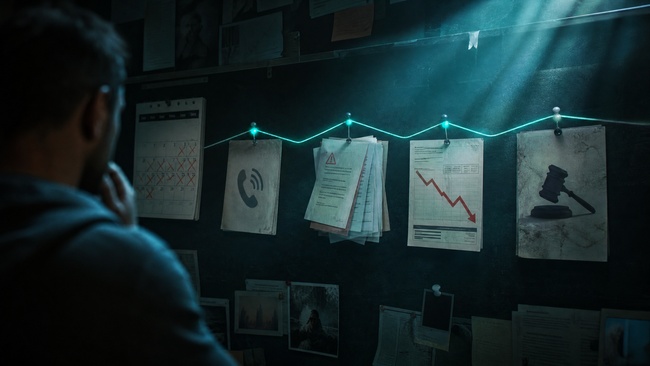
Stage 2: The Charge-Off (Around Day 180)
At roughly 180 days past due, the original creditor “charges off” the debt — an accounting move that declares the account a loss. When you ignore debt collector and creditor outreach through this stage, the charge-off becomes one of the most damaging single events that can hit your credit report, can materially damage a score, but the amount varies by scoring model, date, and credit profile. Critically, a charge-off does not mean the debt is forgiven. You still owe every penny, and the account is typically handed to a collection agency or sold to a debt buyer at a discount that varies by account and market.
Stage 3: Third-Party Collectors Take Over (Months 6–12)
This is when most people first decide to ignore debt collector contact — and when the stakes quietly rise. A new collection account appears on your credit report, compounding the charge-off damage. The collector must send you a written validation notice generally within five days after the initial communication, subject to Regulation F and the applicable notice rules, which may begin a 30-day dispute period under the applicable validation-notice rules. During that window, you have the legal right to demand proof the debt is valid using a debt validation letter — and if you ignore debt collector notices instead, you may lose the opportunity to use that dispute process within its stated window.
Stage 4: Debt Sale or Legal Referral (Months 12–24)
If the first agency can’t collect, the debt often gets sold down a chain of debt buyers, each more aggressive than the last. Eventually, one of them refers the account to a collection law firm. When letters start arriving from attorneys rather than agencies, litigation is being actively evaluated — but filing decisions vary by creditor, jurisdiction, account history, balance, collectibility, and other facts; no universal lawsuit-target profile applies. A consumer with a steady job, bank account, property) are the most likely lawsuit targets.
One common escalation when you go silent: the collector starts calling the people around you to “locate” you. Before that happens, read our guide on whether debt collectors can call your family or employer — the rules are far stricter than most collectors admit.
Stage 5: The Lawsuit (Year One to Three)
A process server hands you a summons and complaint, or in some states, the papers are taped to your door or mailed. You typically have 14 to 35 days to file a written answer with the court, depending on your state. This is the single most important deadline in the entire ignore debt collector timeline. If you’ve been served, stop everything and read our step-by-step guide on what to do when you’re sued for credit card debt — responding, even imperfectly, dramatically changes your outcome.

Stage 6: Default Judgment (About 30 Days After Service)
Here’s the statistic that should stop anyone who plans to ignore debt collector lawsuits: Default-judgment rates vary by jurisdiction, court, period, and study design; some research has reported high rates in particular settings, but no single percentage applies universally. When you do not answer, the collector may seek a default judgment, but the court.s procedure and any defenses or later remedies depend on jurisdiction and facts; the court may enter a default judgment against you. The court may enter judgment without a defended merits hearing, subject to applicable procedure.
If you have no income or assets, you might be legally uncollectable. Learn more about what it means to be judgment proof and how it protects you.
Stage 7: Garnishment, Levies, and Liens
A judgment transforms a collector from an annoying caller into a creditor with court-backed enforcement power. Depending on your state, they can garnish up to 25% of your disposable wages, freeze and seize funds directly from your bank account, and place liens against your home or other property. Judgments also accrue post-judgment interest and can be renewed for a decade or longer in many states. If garnishment has already started, our guide on how to stop wage garnishment covers your remaining options.
What Ignoring a Debt Collector Does to Your Credit
Even before any lawsuit, the decision to ignore debt collector activity quietly devastates your credit profile. The damage stacks in layers. First come the late payment marks — 30, 60, 90, 120, and 180 days — each one worse than the last. Then the charge-off lands. Then the collection account appears as a separate negative item. When you ignore debt collector reporting long enough for a judgment to follow, court records may even surface in background checks, though judgments no longer appear on standard credit reports.

Negative information generally follows the FCRA.s reporting limits, commonly measured from the original delinquency date, but the applicable item, reporting rules, and corrections matter. If you ignore accounts in 2026, the reporting consequences may affect future applications, but the effect and duration depend on the item, reporting model, and lender. Paying or settling a collection doesn’t erase it instantly, but some scoring models treat paid collections differently, but treatment varies by model, version, data, and lender; resolution may still be preferable to silence.
Why It Feels Safe to Ignore Debt Collector Calls (And Why It Isn’t)
If it’s so costly to ignore debt collector contact, why do many people do it? Because avoidance can provide short-term emotional relief. Every ignored call is a small hit of relief. Psychologists call this avoidance coping: the anxiety spikes when the phone rings, drops the moment you decline the call, and your brain learns that the ignore debt collector reflex equals safety. Meanwhile, the actual threat keeps growing in the background.
There’s also a widespread belief that engaging with a collector makes things worse — that answering the phone “puts you on their radar.” In reality, you’re already on their radar; that’s why they’re calling. Risk depends on facts such as the debt.s age, balance, collectibility, jurisdiction, and response; answering alone does not determine the outcome. And there’s a hidden danger on the other side, too: in many states, a partial payment or written acknowledgment can restart the statute of limitations. Whether you ignore debt collector calls or engage with them, informed action matters — uninformed silence and uninformed talking are both traps.

The fear of jail also keeps people hiding. Let’s be clear: you cannot be jailed for owing consumer debt in the United States. Debtors’ prisons were abolished long ago, though ignoring court orders after a judgment can create contempt problems in rare cases. Our guide on whether you can go to jail for debt separates the myths from the legal reality.
What to Do Instead of Ignoring a Debt Collector
You don’t have to choose between the ignore debt collector approach and paying everything immediately. There’s a smart middle path, and it starts with information, not money. Here’s the sequence we recommend.
Step 1: Answer Once — and Say Very Little
Instead of continuing to ignore debt collector calls, pick up one call or open one letter to identify who’s collecting, the alleged balance, and the original creditor. Do not admit the debt is yours, do not promise payment, and do not share bank details. Simply gather facts and state that you’ll respond in writing. Everything meaningful in debt collection happens on paper, not on the phone.
Step 2: Demand Validation in Writing
Within 30 days of the collector’s first written notice, send a debt validation letter by certified mail. The collector must pause collection until it provides verification. This single step — impossible if you ignore debt collector mail — exposes a shocking number of errors: wrong balances, wrong consumers, debts past the statute of limitations, and debts the collector can’t document at all. Grab our free debt validation letter template and send it before the window closes.
Step 3: Check the Statute of Limitations
Every state limits how long a collector can sue — typically three to six years, sometimes longer. If your debt is past that window, it’s “time-barred,” and a time-barred defense may apply, but it must be raised under the applicable state rules and facts. Look up your state in our statute of limitations on debt by state guide before you say a word about payment, because a payment or written acknowledgment can restart the clock in many states.
Step 4: Negotiate From Strength
Collectors buy debt at a discount that varies by account and market, which means settlement percentages vary widely and are not guaranteed — especially on older accounts. Once you’ve validated the debt and confirmed the legal timeline, you can negotiate a lump-sum settlement or structured payment plan, always with written confirmation before any money moves. Our complete guide on how to negotiate a debt settlement walks through scripts, counteroffers, and the paperwork that protects you.
Step 5: Control the Communication — Legally
If the calls are disrupting your life, you don’t have to ignore debt collector calls to make them stop — you can end them lawfully. A written cease-and-desist request generally limits further communications under the FDCPA, subject to statutory exceptions and required notices. Learn the exact process in our guide on how to stop debt collectors from calling. Just remember: stopping the calls doesn’t stop a lawsuit, so pair it with a resolution strategy.

Your Rights Under the FDCPA When Collectors Come Calling
Before you ignore debt collector contact out of fear, understand the Fair Debt Collection Practices Act (FDCPA) — the federal law governing third-party collectors that gives you far more power than most people realize. Under the FDCPA, collectors cannot call before 8 a.m. or after 9 p.m., cannot harass or threaten you, cannot lie about the amount owed or pretend to be attorneys or government agents, and cannot generally communicate about your debt with third parties, subject to location-information rules and applicable exceptions. The Consumer Financial Protection Bureau publishes plain-English explanations of these protections and accepts complaints against violators.
Under the CFPB’s Regulation F, collectors also provides a rebuttable presumption regarding certain call-frequency limits, subject to exceptions and communication context. Violations carry real teeth: statutory damages may be available up to $1,000, plus actual damages and potentially fees and costs, if the legal elements are proved; remedies depend on facts and procedure. The Federal Trade Commission’s debt collection FAQs outline what crosses the line, and complaints can be filed with both agencies online.
Here’s the catch that surprises people: many rights and remedies become easier to use when you preserve notices and respond as required. The validation demand, the cease-and-desist, the harassment complaint — each one depends on you reading the letters and responding. When you ignore debt collector mail, you’re not just missing threats; you’re missing the legal notices that trigger your strongest protections. Silence surrenders your rights; paperwork enforces them. If a collector shows up in person, know that in-person visits may be governed by federal and state restrictions — our guide on whether debt collectors can come to your house explains the limits.
When Ignoring a Debt Collector Might Actually Be Okay
Is it ever reasonable to ignore debt collector contact? In a few narrow situations, the ignore debt collector strategy — done deliberately and with full knowledge — can be a legitimate choice.
Ignoring a collector is riskiest when you don’t know how old the debt really is. Collectors often resurrect ancient accounts hoping you’ll accidentally revive them with a payment or acknowledgment. Our guide to zombie debt explains how to verify a debt’s age and respond without restarting the statute of limitations.
You’re Judgment-Proof
If your only income comes from Social Security, SSI, VA benefits, or other federally protected sources, and you have no significant assets, you may be effectively “judgment-proof.” A collector can still sue and win, but some assets or benefits may be protected, but exemptions, commingling, and state law matter; a judgment can still affect unprotected assets or later circumstances. Even if collection activity appears unproductive, preserve records and do not ignore a lawsuit or court order. Even then, we recommend responding to any lawsuit so the judgment doesn’t follow you if your finances improve later.
The Debt Is Past the Statute of Limitations
If the debt is clearly time-barred and it’s already aged off your credit report, engagement carries more risk than silence — because a payment or acknowledgment could revive the collector’s right to sue in many states. In this scenario, some consumers reasonably choose to ignore debt collector settlement offers entirely, or respond using a written request only after checking the applicable statutory exceptions and legal consequences. Verify the dates carefully first; debt buyers are notorious for misstating the “date of last activity.”
The “Debt” Is a Scam
If a caller demands payment via gift cards or wire transfer, refuses to send written validation, threatens immediate arrest, or claims you owe a debt you can’t identify, you’re likely dealing with a scammer — and do not pay or disclose information; preserve evidence, verify independently, and consider reporting the suspected scam to the FTC at ReportFraud.ftc.gov. Legitimate collectors send paperwork; fraudsters manufacture urgency.
One more critical rule: even when ignoring calls is defensible, never ignore a court summons. A time-barred debt is a winning defense only if you show up and raise it. If papers arrive, follow our guide on how to answer a summons for debt collection — a timely, properly filed answer can help prevent a default judgment, but it must follow court rules.

FAQ: Ignoring Debt Collectors
What happens if you ignore a debt collector completely?
If you ignore debt collector calls and letters completely, the account typically escalates from collection activity to credit report damage to a lawsuit. If you also ignore the lawsuit, the collector wins a default judgment — which can lead to wage garnishment, bank account levies, and property liens depending on your state. The debt also keeps growing with interest and fees the entire time.
How long can you ignore a debt collector before being sued?
There’s no fixed deadline, but collection lawsuits can be filed at different points after default; timing varies by creditor, jurisdiction, account history, and other facts. Any limitations period varies by state and may depend on debt type, accrual, tolling, revival, and defenses. Filing decisions vary; no balance, income, or account profile guarantees timing. If you ignore debt collector contact, that silence won’t delay a lawsuit — many collection law firms file precisely because the consumer went quiet.
Will a debt collector give up if I ignore them?
Sometimes the calls stop, but that rarely means the debt is gone. When you ignore debt collector attempts long enough, the account is usually sold to another debt buyer who starts the cycle again — or referred to a law firm for suit. The enforceability of a debt depends on state law, accrual, tolling, revival, and defenses; expiration of a limitations period does not itself erase the debt. Credit reporting commonly follows FCRA timing from the original delinquency date, but the applicable item and rules matter.
Can you go to jail if you ignore debt collector demands?
No. You cannot go to jail if you ignore debt collector demands or simply owe consumer debt in the United States. However, after a judgment, ignoring a court order — such as an order to appear for a debtor’s examination — can result in contempt of court in rare cases. That’s a consequence of ignoring the court, not the collector. Any caller threatening arrest over a consumer debt is violating the FDCPA or running a scam.
Is it better to ignore a debt collector or pay?
Neither extreme is ideal. Rather than ignore debt collector demands or pay them blindly, validate the debt first, check the statute of limitations, and then negotiate — settlement percentages vary widely and are not guaranteed. Paying without validation risks paying a debt that’s misreported, time-barred, or not even yours. Ignoring risks a lawsuit and judgment. Informed engagement beats both.
What should I do if I’ve already ignored a debt collector for years?
Start with a damage assessment: pull your free credit reports, identify who currently owns each debt, and check each account against your state’s statute of limitations. debts past a limitations period may be subject to a defense, but enforceability depends on state law and facts; recent ones need a validation-then-negotiation strategy. Even if you’ve chosen to ignore debt collector letters for years, the consequences may be addressed, but outcomes depend on the reporting, account, court, and legal facts — if anything has reached the lawsuit stage, respond to the court immediately, before or shortly after a judgment.
Join Our Newsletter
From time to time, we’ll send you information and resources that we believe may be helpful to you.
Subscribe to The Debt Survival Guide Newsletter
Disclaimer: The Debt Survival Guide provides educational content only. We are not attorneys, tax professionals, or financial advisors. This information should not be considered legal, tax, housing, credit, or individualized financial advice. Circumstances, agreements, deadlines, laws, and available options vary by person, account, location, and situation. Please review your records and written terms and consult a qualified attorney, legal-aid organization, HUD-approved housing counselor, tax professional, credit counselor, or financial professional before making decisions about your specific situation.